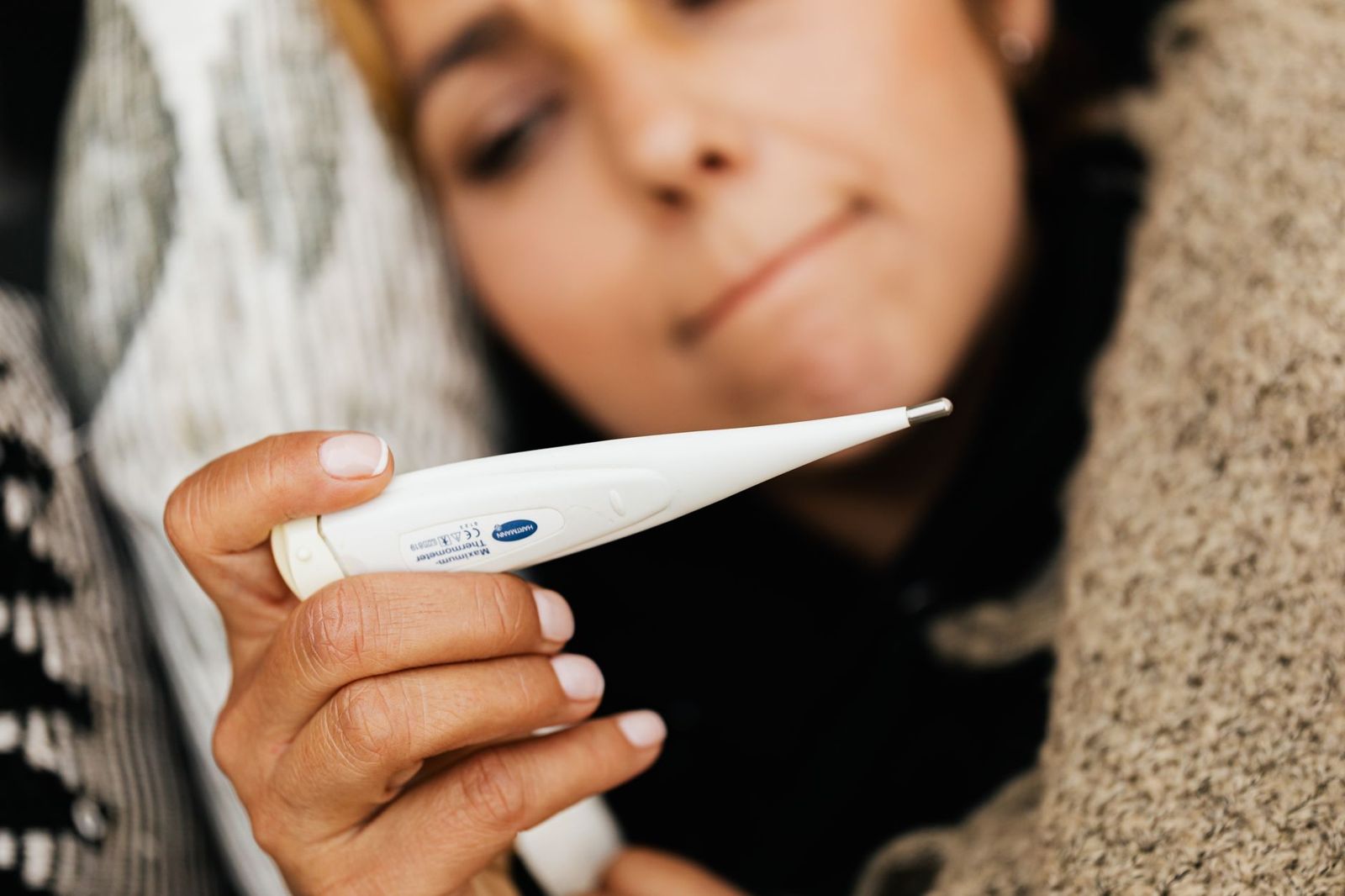
Feeling unwell on holiday is miserable, and it’s natural to want a quick fix. But an IV drip for flu is not a treatment. A drip can’t clear a virus, and it isn’t a substitute for seeing a doctor. If you have a fever in Thailand, the first step is a medical check, because it could be dengue.
This guide helps you tell a cold from flu, explains why fever in the tropics needs a doctor, and covers what helps while you recover. It also explains the limited situations where a drip may be appropriate.
Cold or flu? How to tell the difference
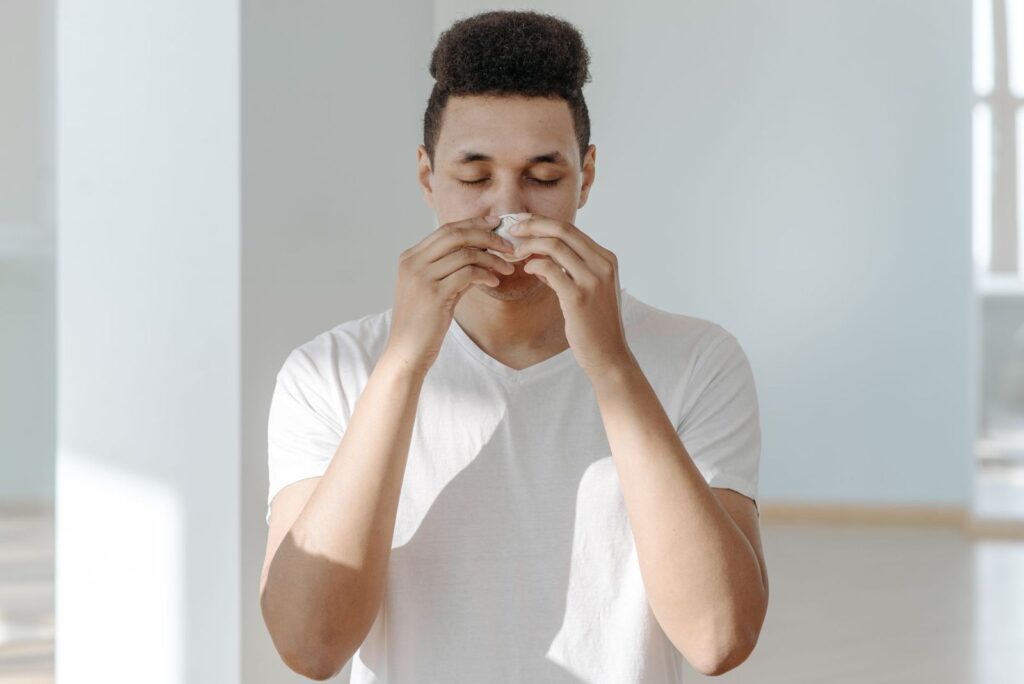
Colds and flu are both caused by viruses, and they can feel similar at first. The main difference is speed and severity.
| Common cold | Flu | |
|---|---|---|
| How it starts | Gradually, over a day or two | Suddenly, within a few hours |
| Main symptoms | Runny or blocked nose, sneezing, sore throat, cough | Fever, aches, exhaustion, headache, dry cough |
| How it feels | Unwell, but you can mostly carry on | Too unwell to do normal things |
The NHS explains that flu comes on quickly and affects more than your nose and throat, leaving you exhausted. A common cold usually improves within one to two weeks, and antibiotics won’t help because colds are caused by viruses.
Flu in Thailand behaves the same as at home. The difference is that here, a fever can also be a sign of something else.
Fever in Thailand: why it needs a doctor
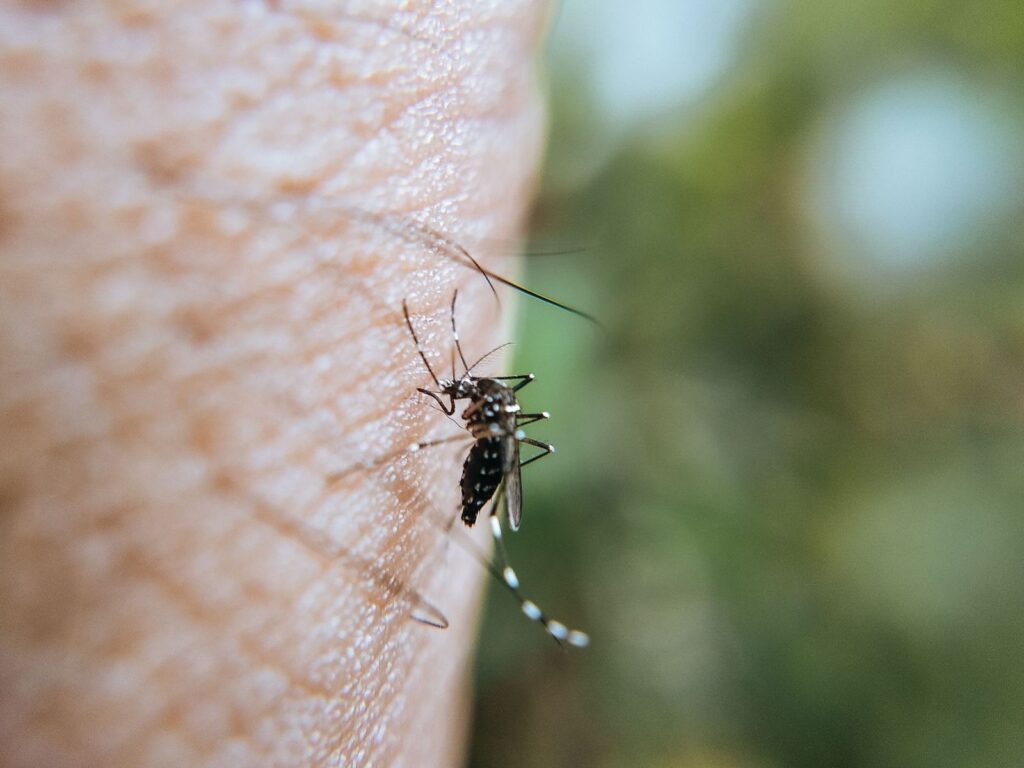
Thailand is in a region where dengue is common. The CDC’s travel advice for Thailand lists dengue as a risk, spread by mosquito bites.
Early dengue can look a lot like flu. The CDC lists the most common symptom as fever, along with any of: aches and pains (especially behind the eyes, or in the muscles, joints or bones), nausea, vomiting and rash.
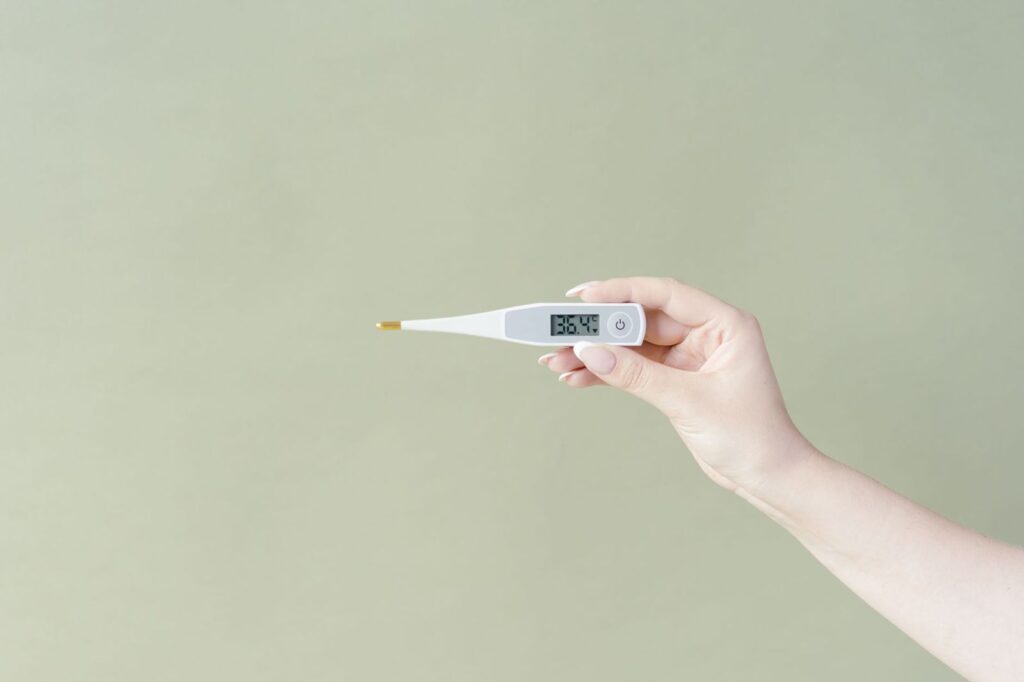
That’s why our advice for fever travel concerns in Thailand is simple: if you have a fever, see a doctor. They can test for dengue and other infections and tell you what’s going on.
Dengue warning signs
Dengue can become severe, sometimes quickly. The CDC lists these warning signs:
- Belly pain or tenderness
- Vomiting at least three times in 24 hours
- Bleeding from the nose or gums
- Vomiting blood, or blood in your stool
- Feeling extremely tired, restless or irritable
The CDC notes these warning signs usually start in the 24 to 48 hours after the fever goes away. Feeling a bit better doesn’t mean you’re in the clear. If any of these appear, go to hospital straight away.
Painkillers: avoid ibuprofen and aspirin until dengue is ruled out
This is important. Both the NHS and the CDC advise not taking ibuprofen or aspirin if you might have dengue. The NHS explains that these anti-inflammatory painkillers can cause bleeding problems with dengue.
Both recommend paracetamol (acetaminophen) for fever and pain instead. Follow the dose on the packet, and check that other cold and flu products you take don’t also contain paracetamol.
At home, the NHS suggests ibuprofen as an option for flu. In Thailand, with a fever, wait until a doctor has ruled out dengue.
What helps while you recover
For a mild cold, or flu once a doctor has checked you, the basics really do work. The NHS recommends:
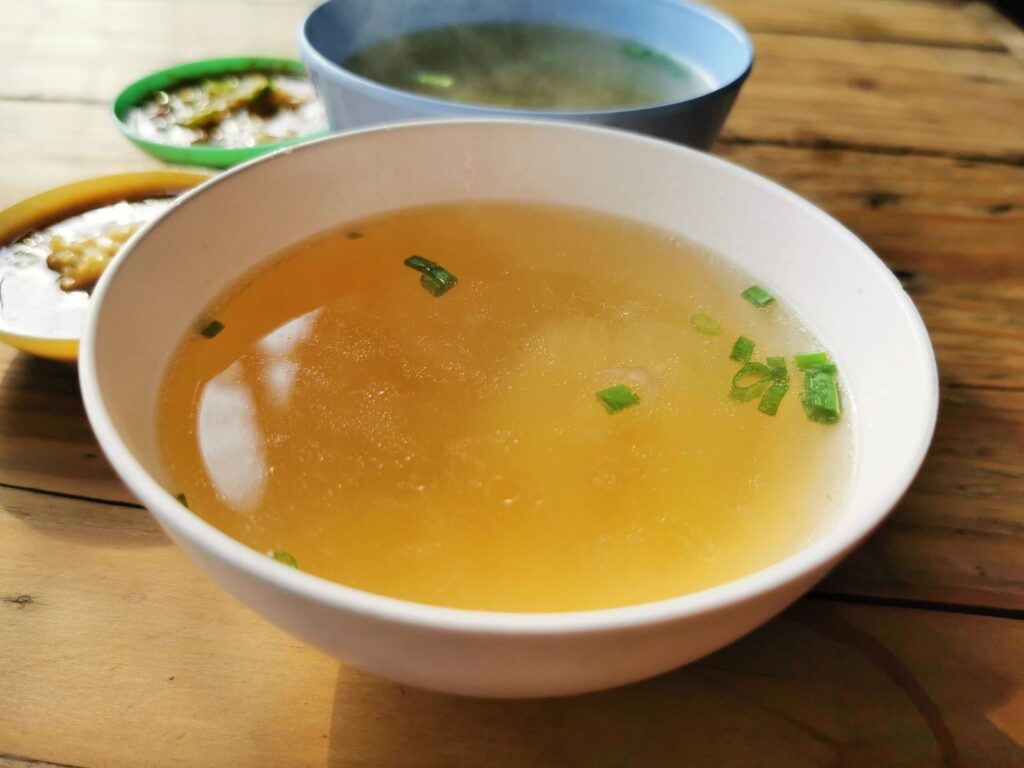
- Rest and sleep. Skip the boat trip and let your body recover.
- Plenty of fluids. Sip water steadily. Oral rehydration salts from a pharmacy help if you’re sweating with a fever.
- Paracetamol for fever and aches, as above.
- Soothing your throat with warm drinks, honey and lemon, or salt-water gargles.
Krabi’s heat makes fluid loss worse when you have a temperature, so keep a bottle of water by the bed.
Is an IV drip for sickness ever appropriate?
Sometimes, but only in a narrow set of situations. A drip doesn’t treat flu, dengue or any infection. What it can do is replace fluid if you’re mildly dehydrated and struggling to drink enough.
A drip may be reasonable if:
- A doctor has checked you and ruled out anything serious
- You’re mildly dehydrated, for example after a cold or a stomach upset, and finding it hard to keep up with fluids
- You have no warning signs and are otherwise recovering
In that case, our Island Hydration drip gives a litre of saline with electrolytes and B-complex. Some guests ask about the Immune Shield drip during a cold. It contains high-dose vitamin C, zinc, B-complex and glutathione, but it isn’t a flu treatment, and the evidence that vitamin C helps once a cold has started is weak.
Our nurses screen everyone before every drip. If you have a fever, they’ll ask you to see a doctor first, and they may decline to give a drip. That’s the right call. When you’re cleared and ready, you can book a drip online.
When to go to hospital instead
Call 1669 for an ambulance, or go straight to hospital, if you or someone with you has:
- Any dengue warning sign above, especially in the days after a fever settles
- Difficulty breathing, chest pain or blue lips
- Confusion, a seizure, fainting or being hard to wake
- A severe headache with a stiff neck or a rash
- Signs of severe dehydration, such as very little urine or cold, blotchy skin
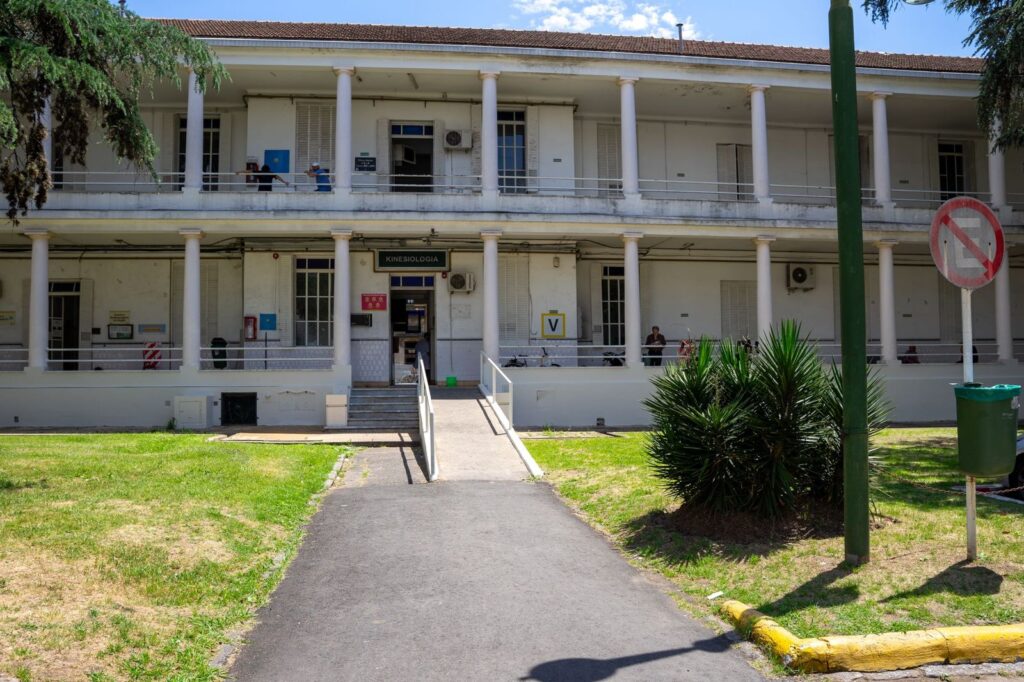
For any fever, see a doctor even if you feel otherwise okay. The nearest hospitals are Wattanapat Hospital Ao Nang, Bangkok Hospital Krabi and Krabi Hospital in Krabi Town.
Frequently asked questions
Can an IV drip treat flu?
No. Flu is caused by a virus, and a drip doesn’t treat it. Rest, fluids and paracetamol are the mainstays. If you have a fever in Thailand, see a doctor first, as it could be dengue.
Should I take ibuprofen for a fever in Thailand?
Not until a doctor has ruled out dengue. The NHS and CDC both advise avoiding ibuprofen and aspirin if dengue is possible, because they can cause bleeding problems. Paracetamol is the safer choice.
How can I tell if it’s flu or dengue?
You can’t reliably tell on your own, because both can start with fever and aches. A doctor can test you. Until then, rest, drink fluids and use paracetamol rather than ibuprofen or aspirin.
When is a drip a good idea if I’m unwell?
Only for mild dehydration once a doctor has checked you and ruled out anything serious. The nurse will screen you and may advise against a drip.
Ready to feel better?
A registered nurse can come to your hotel or villa in Ao Nang and nearby beaches, or visit our clinic.
Photo: https://kaboompics.com/ on Pexels