Should you have a hangover IV before drinking or after? For most people, the answer is after: the morning after a night out, once you’ve slept and the alcohol has worn off. That’s when a drip can help with the dehydration, nausea and headache of a hangover.
Before a night out, a drip can top up your fluids after a hot day, but it won’t stop a hangover. And during or straight after drinking, while you’re still intoxicated, we won’t give one. Here’s why, and how to time it well.
The short answer: after, once you’re sober
A hangover drip is for the morning after, when the alcohol has cleared and what’s left is fluid loss, an upset stomach and a sore head.

That’s when an IV drip after alcohol makes the most sense: the nurse can screen you properly, and the fluids and any nurse-assessed medicines go to work on hangover symptoms.
Why we don’t give a drip while you’re still drunk
It can be tempting to book a drip at 2am on the way home. We don’t do that, for safety reasons:
- A drip doesn’t sober you up. Your liver clears alcohol at its own pace. The US National Institute on Alcohol Abuse and Alcoholism says that, for a hangover, only time can help.
- Screening needs a clear head. The nurse asks about your health, medicines and allergies. Someone who is still drunk may not answer reliably, and may not be able to give proper consent.
- Alcohol poisoning can look like “just drunk”. Confusion, vomiting and drowsiness can be signs of alcohol poisoning, which needs a hospital, not a drip.
- Some medicines don’t mix with alcohol. Anti-nausea medicine and pain relief are only given when the nurse assesses they’re safe, and alcohol still in your system changes that.
So the nurse may decline or postpone a drip if you still seem intoxicated, if you’ve been drinking recently, or if anything in the screening suggests you need a doctor instead. It’s not a judgement, just safe practice.
How long after drinking should you wait?
There’s no single number. It depends on how much you drank, when you stopped, what you ate and your health.

As a rule of thumb, book for after you’ve slept and woken up feeling sober, even if you feel rough. Be honest at screening about how much you drank and when you stopped. If the nurse isn’t comfortable going ahead, they’ll suggest waiting a few hours, sipping oral rehydration salts in the meantime.
If you’re unsure, wait a little longer.
Best timing the morning after
For most people, mid-morning to early afternoon works well:
- Wake up and drink some water or oral rehydration salts.
- Try to eat something plain if you can.
- Book your drip for when you’re up and able to answer questions clearly.
- Rest during the drip. It takes around 45 minutes.
- Avoid the midday sun afterwards, keep sipping water and have a gentle afternoon.
Flying, diving or boating that day? Tell the nurse when you book.
A drip before a night out: what it can and can’t do
Some people ask about a drip before a wedding or big night out. The honest picture:
- It can top up fluids. After a day in the heat, starting the evening well hydrated is sensible. Our Island Hydration drip is designed for that.
- It won’t prevent a hangover. Alcohol still dehydrates you, disrupts your sleep and irritates your stomach, however much fluid you start with.
- It doesn’t let you drink more safely. Your body clears alcohol at the same pace either way.
Water during the day, a proper meal and alternating drinks with water will do more for tomorrow than any pre-party drip.
IV therapy after a hangover: what the nurse checks
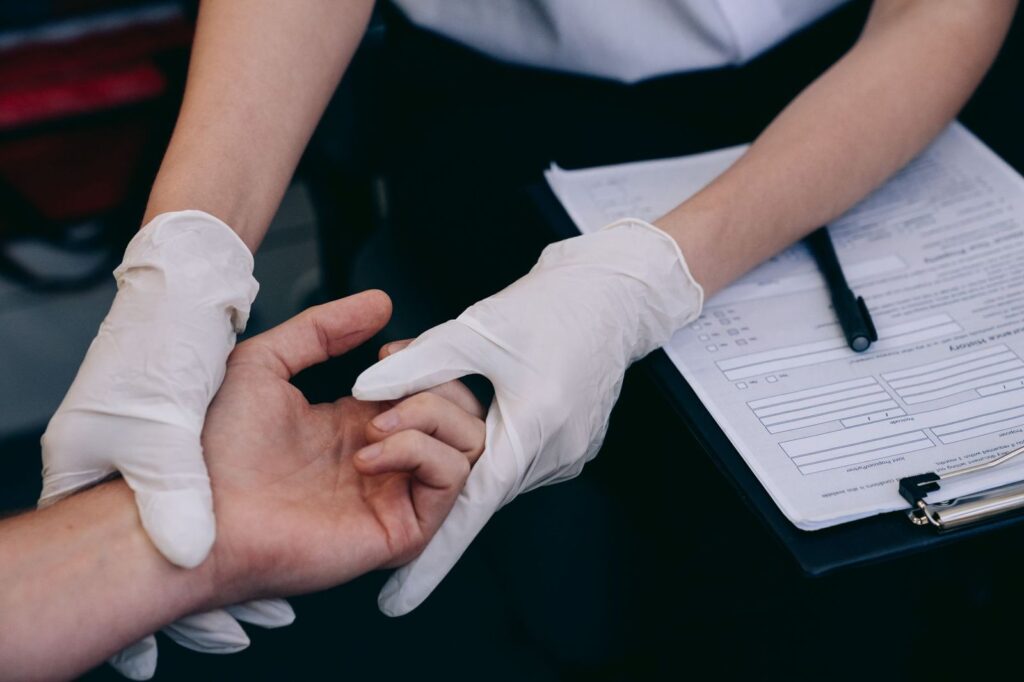
Before any drip, a registered nurse runs a short health screening. For a hangover, expect questions about:
- What and how much you drank, and when you stopped
- Whether you’ve been vomiting, and whether you’ve kept fluids down
- Any painkillers or other medicines you’ve taken
- Allergies, health conditions, pregnancy, or any knock to the head
Our Hangover Rescue drip includes a litre of saline with electrolytes, B-complex and vitamin C, plus anti-nausea medicine and pain relief if the nurse assesses they’re suitable. For what to do afterwards, including whether you can drink again that night, see our IV drip aftercare guide.
When you’re ready, you can book a hangover drip at the clinic or at your hotel or villa.
When to go to hospital instead
A drip is not the right care for someone who is very drunk or unwell. Call 1669 or go to hospital straight away if someone:
- Is confused, very drowsy or can’t be woken
- Has slow or irregular breathing, or pale or blue-tinged skin
- Has a seizure
- Keeps vomiting, vomits blood, or can’t keep fluids down
- Has a head injury or may have had a spiked drink
Stay with them and lie them on their side if they’re drowsy. The nearest hospitals are Wattanapat Hospital Ao Nang, Bangkok Hospital Krabi and Krabi Hospital.
Frequently asked questions
Is it better to get an IV before or after drinking?
After, once you’re sober, usually the next morning. A drip before drinking can top up fluids but won’t prevent a hangover.
Can I get an IV drip while I’m still drunk?
No. The nurse may decline or postpone if you still seem intoxicated, because screening, consent and medicine safety all depend on you being sober. If someone seems very drunk or unwell, call 1669.
Can I book a drip for the morning after a party?
Yes. Choose a time after you’ve slept, and be honest about how much you drank when the nurse screens you.
Can I drink again after a hangover drip?
You can, but it will dehydrate you again and the drip won’t protect you from the next hangover. If you were given any medicine, ask the nurse first.
Ready to feel better?
A registered nurse can come to your hotel or villa in Ao Nang and nearby beaches, or visit our clinic.
Photo: RDNE Stock project on Pexels