
What are the real IV vitamin C benefits? A drip can raise the vitamin C in your blood far higher than tablets can, for a few hours. It won’t fix a cold, shield you from illness or replace a decent diet, and the research on wellness drips is still thin.
This guide explains what IV vitamin C actually does, what’s evidence-based and what’s marketing, who should be careful, and which of our drips contain it.
What IV vitamin C does that tablets can’t
Your gut controls how much vitamin C gets in. Once your blood levels are topped up, extra vitamin C from tablets is largely passed out in your urine.
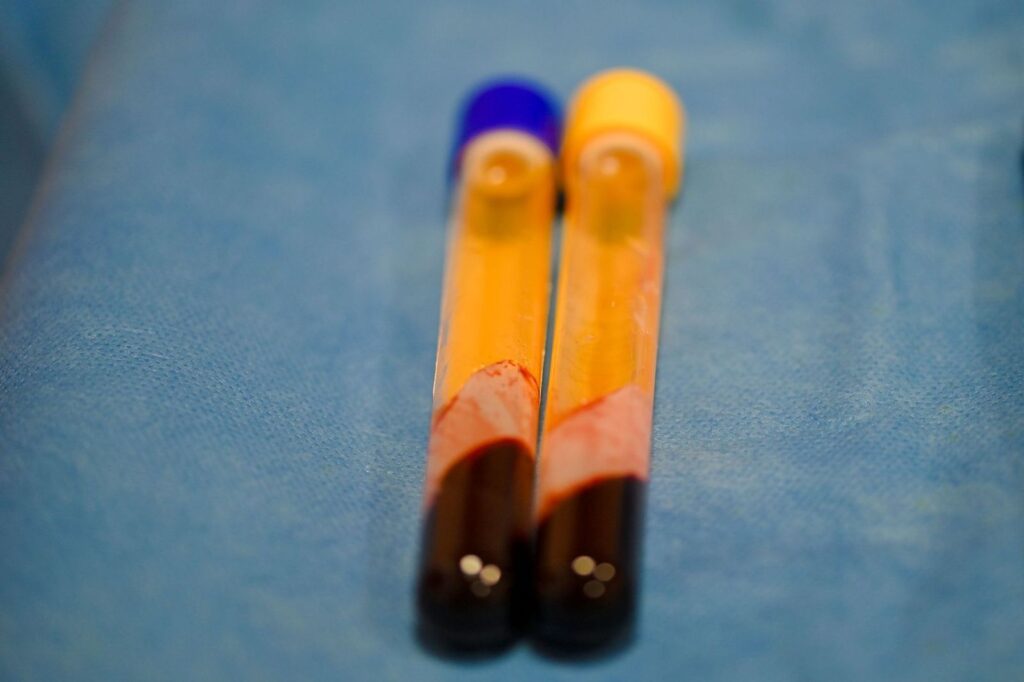
The Linus Pauling Institute at Oregon State University explains that oral vitamin C levels in the blood level off at around 60 to 80 micromoles per litre, reached at quite modest daily doses. An IV skips the gut entirely, so blood levels can climb 30 to 70 times higher than oral doses allow.
The catch: your kidneys bring vitamin C back to its usual level within a few hours. Our guide on how long IV drip effects last covers the timings in more detail.
IV vitamin C benefits: evidence vs marketing
What has reasonable support:

- Vitamin C is essential. It helps your body make collagen, supports normal immune function and acts as an antioxidant.
- If you’re dehydrated, the fluid in a vitamin C drip helps rehydrate you. That part has the clearest, fastest benefit.
What’s mostly marketing:
- “Stops you catching colds.” A large Cochrane review of vitamin C and the common cold found regular supplements did not reduce how often people in the general population caught colds. They shortened colds slightly (about 8% in adults). Taking high doses after a cold had started showed no consistent effect.
- “Boosts your immune system.” The Cleveland Clinic says there’s limited scientific evidence for general wellness benefits from IV vitamins, and that they’re no substitute for good food, sleep and medical care.
- “Treats disease.” The Merck Manual states there’s insufficient evidence that IV vitamin therapy is effective for treating any disease.
IV drip vitamin C benefits you might actually notice
Many guests tell us they simply feel better after a drip. Usually that’s the litre of fluid at work, especially after heat, sun, a long flight or a big night.

A vitamin C drip may be a reasonable choice if:
- You’re run down and a bit dehydrated after travelling
- You’ve been eating poorly on the road and want a top-up alongside fluids
- You understand it’s a supportive extra, not a treatment
If you’re ill with a fever, a drip isn’t the answer: see a doctor first.
Who should be careful with IV vitamin C
High-dose vitamin C is not right for everyone. Tell the nurse at your screening if any of these apply to you.

Kidney stones or kidney disease. The Linus Pauling Institute notes that vitamin C supplements increase oxalate in the urine. It’s not certain this raises the risk of stones, but people prone to kidney stones may want to avoid high doses. The Cleveland Clinic also advises people with kidney disease to check with a doctor before IV vitamins.
G6PD deficiency. This inherited condition affects red blood cells. Very high-dose IV vitamin C has caused haemolysis (red blood cells breaking down) in people with G6PD deficiency, which is why hospital programmes screen for it before giving IV vitamin C. If you know or suspect you have it, tell the nurse. A vitamin C drip may not be suitable.
Heart disease, high blood pressure or pregnancy. The Cleveland Clinic advises checking with a doctor before IV vitamin therapy in these cases.
Regular medicines. The Merck Manual notes that ingredients in IV vitamin drips can interact with some medicines. Bring a list or photos of your medicine packets.
The nurse may adjust the drip, suggest another option or advise against it.
Which of our drips contain vitamin C?
| Drip | Vitamin C? | What else is in it |
|---|---|---|
| Immune Shield | Yes, high-dose | Zinc, B-complex, glutathione push |
| Hangover Rescue | Yes | Saline 1,000 ml, B-complex, electrolytes, plus anti-nausea and pain relief as assessed |
| Myers’ Cocktail | Yes | Magnesium, calcium, B-complex, B12, in a hydrating base |
| Jet Lag Reset | Yes | Hydration base with B12, magnesium, B-complex |
| Glow & Glutathione | Yes | Glutathione, biotin, hydration base |
| Island Hydration | No | Saline 1,000 ml, electrolytes, B-complex |
If vitamin C is the reason you’re booking, the Immune Shield vitamin C drip is the one built around it. If high-dose vitamin C isn’t suitable for you, Island Hydration contains none. Prices are on our drip menu.
Vitamin C drip in Krabi: what to expect
Every drip starts with a short health screening by a registered nurse, including your medical history, medicines, allergies, blood pressure and pulse. The drip itself takes about 45 minutes, at our clinic in Ao Nang or in your hotel or villa.

Keep drinking water afterwards, especially in Krabi’s heat. When you’re ready, you can book a drip online.
When to go to hospital instead
IV vitamin C is not emergency or illness care. Call 1669 for an ambulance, or go straight to hospital, if you have:
- A high fever, especially with a rash, severe headache, stomach pain or bleeding gums
- Chest pain, difficulty breathing or swelling of the face or throat
- Confusion, fainting or extreme drowsiness
- Severe pain in your side or back, or blood in your urine
- Vomiting that won’t stop, or very little urine for many hours
The nearest hospitals are Wattanapat Hospital Ao Nang, Bangkok Hospital Krabi and Krabi Hospital in Krabi Town.
Frequently asked questions
Is IV vitamin C better than taking tablets?
It reaches much higher blood levels, but only for a few hours. For everyday needs, food and tablets are enough for most people. A drip mainly adds speed and fluid.
Will a vitamin C drip stop me getting sick on holiday?
No drip can promise that. Research on regular vitamin C found it didn’t reduce how often people caught colds. Handwashing, sleep, safe food and mosquito protection matter far more.
Can I have IV vitamin C if I’ve had kidney stones?
Tell the nurse first. People prone to kidney stones may be advised to avoid high-dose vitamin C, and a different drip may suit you better.
What is G6PD deficiency and why does it matter?
It’s an inherited condition affecting red blood cells. Very high doses of IV vitamin C can damage those cells in people who have it, so let the nurse know if you have it or aren’t sure.
Ready to feel better?
A registered nurse can come to your hotel or villa in Ao Nang and nearby beaches, or visit our clinic.
Photo: Rafael Minguet Delgado on Pexels