
Sunburn in Krabi catches out a lot of visitors. One long boat day or an afternoon asleep on the beach is often enough, even for people who rarely burn at home.
Most sunburn gets better on its own with cooling, moisturiser, painkillers and plenty to drink. This guide covers what to do in the first day or two, the signs that it’s more than a normal burn, and when IV fluids can help. The short version: a drip can help with dehydration, but it does nothing for the burn itself.
Why the sun in Krabi is stronger than you expect
Krabi sits about 8 degrees north of the equator. The CDC’s advice for travellers explains that UVB, the main cause of sunburn, gets stronger the closer you are to the equator and is most intense from around 10am to 4pm. Water and sand reflect UV back at you, which adds to your dose on beaches and boats, even on cloudy days.
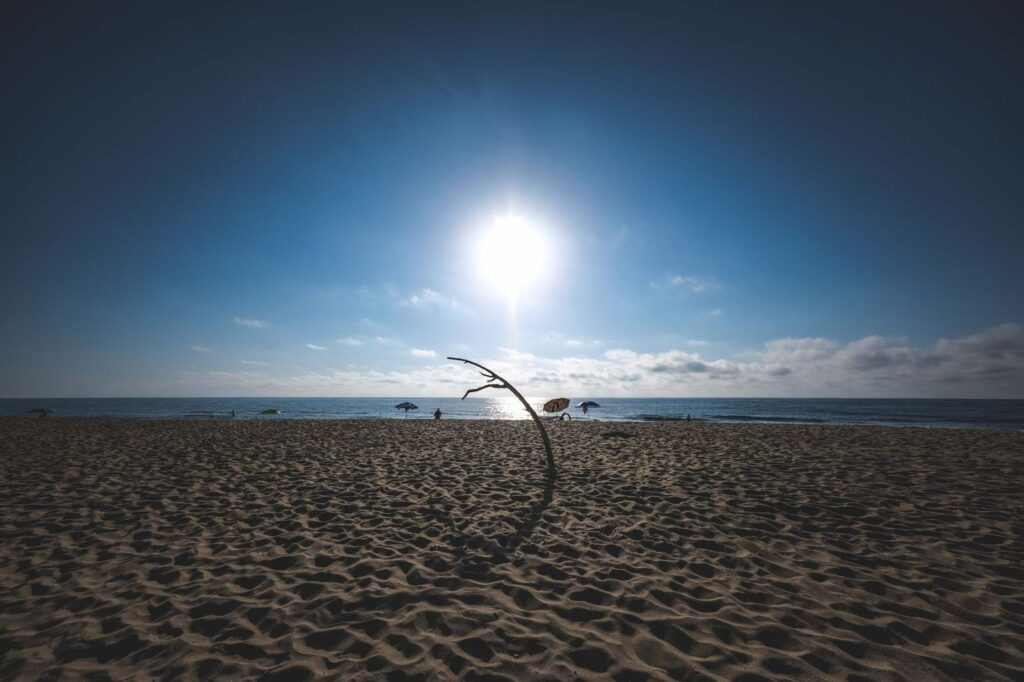
The WHO’s UV index guidance says that at a UV index of 8 or more you should avoid being outside at midday and use shade, a shirt, sunscreen and a hat. In the tropics, clear midday sun can push the index well into that range.
A sea breeze makes it feel cooler than it is, so many people don’t notice they’re burning until the evening.
Sunburn in Thailand: what to do in the first 24 hours
If you’ve got sunburn in Thailand, the NHS sunburn advice is simple and works well:
- Get out of the sun and stay covered while your skin heals.
- Cool the skin with a cool shower, bath or damp towel. Don’t put ice or ice packs directly on burnt skin.
- Moisturise with an after-sun lotion or a plain moisturiser. Aloe vera gel is easy to find in 7-Eleven and pharmacies around Ao Nang and feels soothing on hot skin.
- Take painkillers such as paracetamol or ibuprofen if you need them, following the packet.
- Drink plenty of water.
Avoid petroleum jelly, popping blisters, scratching peeling skin and tight clothes over the burn. Loose cotton is your friend for a few days.
Dehydration from sunburn
A bad burn draws fluid towards the skin, and you’ve usually been sweating heavily in the heat as well. Add a few beers or cocktails and it’s easy to end up dehydrated without realising.
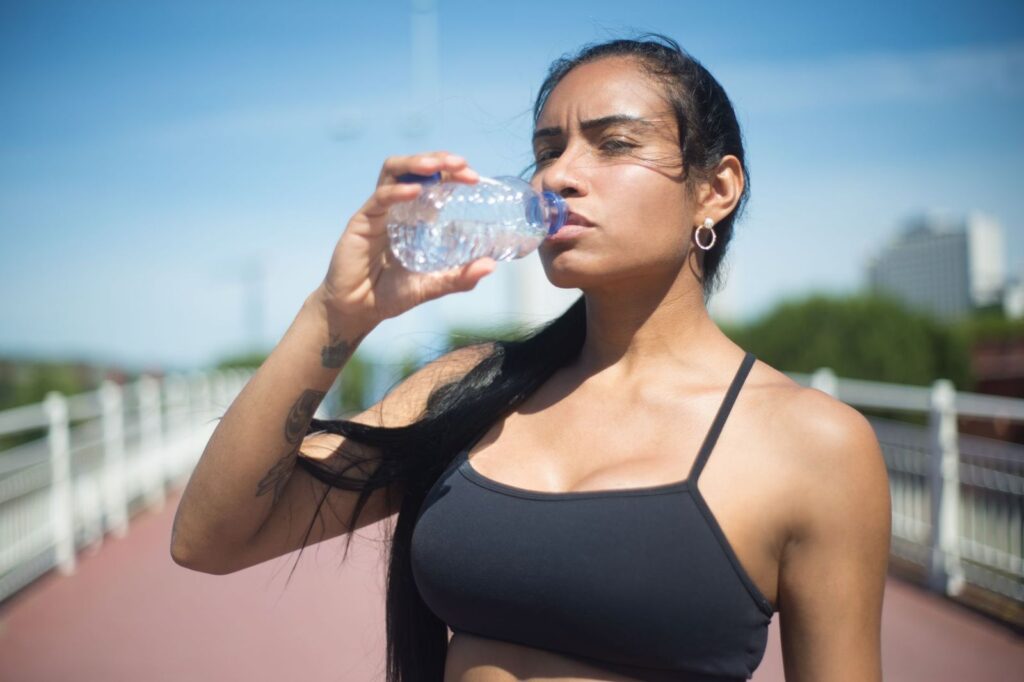
Signs of mild dehydration include thirst, dark yellow urine, a headache, feeling tired and a dry mouth. For most people, water plus an oral rehydration sachet (sold in every Thai pharmacy) sorts this out within a few hours. Cleveland Clinic notes that drinking water and electrolytes is a key part of recovering from a severe burn.
Sun poisoning in Thailand: warning signs
“Sun poisoning” isn’t actual poisoning. It’s a term for a severe sunburn that comes with whole-body symptoms. According to Cleveland Clinic, it can feel like flu or an allergic reaction, with:
- a widespread rash, blistering or peeling skin
- fever, chills or shivering
- nausea, headache or feeling dizzy
- feeling faint or confused
The NHS advises getting urgent medical help if sunburn comes with blistered or swollen skin, a high temperature or shivering, dizziness, nausea, headache or muscle cramps.
Some medicines make skin burn faster. The CDC lists doxycycline (a common antimalarial and antibiotic), some other antibiotics and anti-inflammatory painkillers among them. If you’re taking any of these, be extra careful in the sun.
When IV fluids help (and when they don’t)
An IV drip can help if you’re dehydrated and struggling to drink enough, for example because you feel sick, have a headache, or just can’t keep up with fluids in the heat. Our Island Hydration drip gives balanced saline with electrolytes and B-complex over 30–45 minutes.
What a drip can’t do:
- heal burnt skin or speed up peeling
- treat blisters or infection
- replace a doctor if you have signs of sun poisoning or heatstroke
Some guests ask about our Glow & Glutathione drip after a lot of sun. It’s a hydrating wellness drip with antioxidants. It isn’t a sunburn treatment, and we don’t make skin-lightening claims.
Every drip starts with a short health screening by a registered nurse, who will tell you if you need a hospital instead. When you’re ready, you can book a drip at our clinic or your hotel.
Preventing sunburn on boat days
On a boat you get sun from above and reflected off the water, often for hours with little shade. A few habits make a big difference:
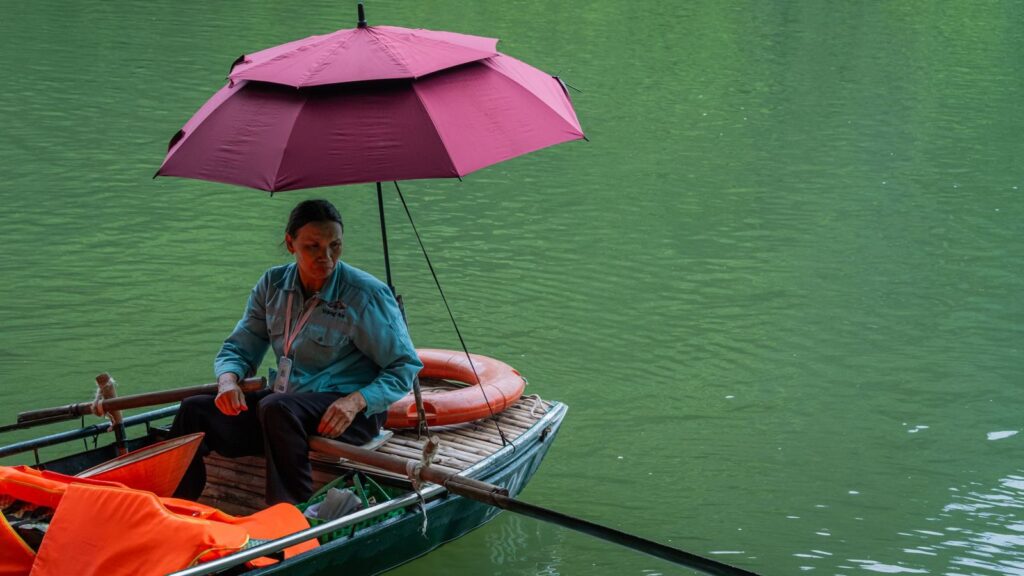
- Sunscreen: the NHS recommends SPF 30 or higher with at least 4-star UVA protection. Reapply every 2 hours and straight after swimming or towelling off.
- Cover up: a long-sleeved rash vest for snorkelling, a wide-brimmed hat and sunglasses.
- Use the shade: sit under the boat’s canopy between stops, especially around midday.
- Easy-to-miss spots: tops of feet, backs of knees, ears, scalp parting and the back of the neck.
- Drink water all day, not just when you feel thirsty.
Sunburn and heat often go together. For the signs of overheating, read our guide to heat exhaustion in Krabi.
When to go to hospital instead
Don’t wait for a drip if you or someone with you has any of these:
- blistering over a large area, or skin that is oozing, bleeding or getting more red and painful (possible infection)
- a high temperature, shivering or feeling very unwell
- confusion, fainting or a fit
- hot skin that has stopped sweating, with a fast heartbeat (possible heatstroke)
- vomiting so much you can’t keep fluids down
- a baby or young child with sunburn and a fever
Call 1669 for an ambulance in an emergency. The nearest hospitals are Wattanapat Hospital Ao Nang, Bangkok Hospital Krabi and Krabi Hospital (government) in Krabi Town.
Frequently asked questions
How long does sunburn take to heal?
Mild sunburn usually settles within a few days, often followed by peeling. Severe burns with blisters take longer and should be checked by a doctor. Keep the area covered from the sun while it heals.
Can I go in the sea with sunburn?
Salt water can sting, and you’ll get more sun while you swim. If you do go in, wear a rash vest, avoid the midday sun and moisturise afterwards. Don’t swim with broken blisters, as they can get infected.
Does an IV drip help sunburn?
Not the burn itself. A drip can help with dehydration that often comes with a bad burn, such as headache, tiredness and feeling sick. Cooling, moisturiser and time heal the skin.
Ready to feel better?
A registered nurse can come to your hotel or villa in Ao Nang and nearby beaches, or visit our clinic.
Photo: Anna Tarazevich on Pexels