Got food poisoning in Thailand? Here’s what to do first: stop eating for a few hours, start sipping oral rehydration salts (ORS), and rest somewhere cool. Most cases settle on their own within a few days, and the main job is to stay hydrated while your body clears it.
This guide is written for visitors in Ao Nang and around Krabi. It covers how long food poisoning usually lasts, what to buy at 7-Eleven or a pharmacy, what to eat as you recover, the red flags that mean hospital, and when an IV drip for rehydration can help.
Food poisoning in Thailand: what to do in the first few hours
The first few hours are about fluids, not food.

- Rest. Cancel the boat trip. Lie down somewhere cool, with the air con on.
- Sip ORS little and often. A few mouthfuls every few minutes is better than gulping a whole bottle, which can bring on vomiting.
- Skip alcohol, coffee and fizzy drinks. They make dehydration worse.
- Wash your hands after the toilet and before touching food, so you don’t pass it on.
- Keep track. Note when it started, how often you’re vomiting or going to the toilet, and whether you’re passing urine. It helps if you need a nurse or doctor later.
If someone you’re travelling with ate the same thing, keep an eye on them too.
How long does food poisoning last in Thailand?
Food poisoning in Thailand works the same way as at home. According to the NHS, symptoms usually start within hours to a few days of eating the food, and most people get better within a week. Common symptoms are nausea, vomiting, diarrhoea, stomach cramps, a temperature and feeling generally unwell.
A rough timeline for adults:
| Time | What’s typical |
|---|---|
| First 6–48 hours | Nausea and vomiting, cramps, frequent diarrhoea. Often the worst part. |
| Days 1–2 | Vomiting usually eases. The NHS says vomiting normally stops within 1–2 days. |
| Days 2–7 | Diarrhoea slowly settles, usually within 5–7 days. You’ll feel tired and weak. |
| After 7 days | Still unwell? See a doctor. |
The CDC’s guidance on travellers’ diarrhoea says bacterial cases often last 3–7 days without treatment and viral ones 2–3 days. Diarrhoea that goes on for more than two weeks can mean a parasite and needs testing.
What to buy at 7-Eleven or a pharmacy
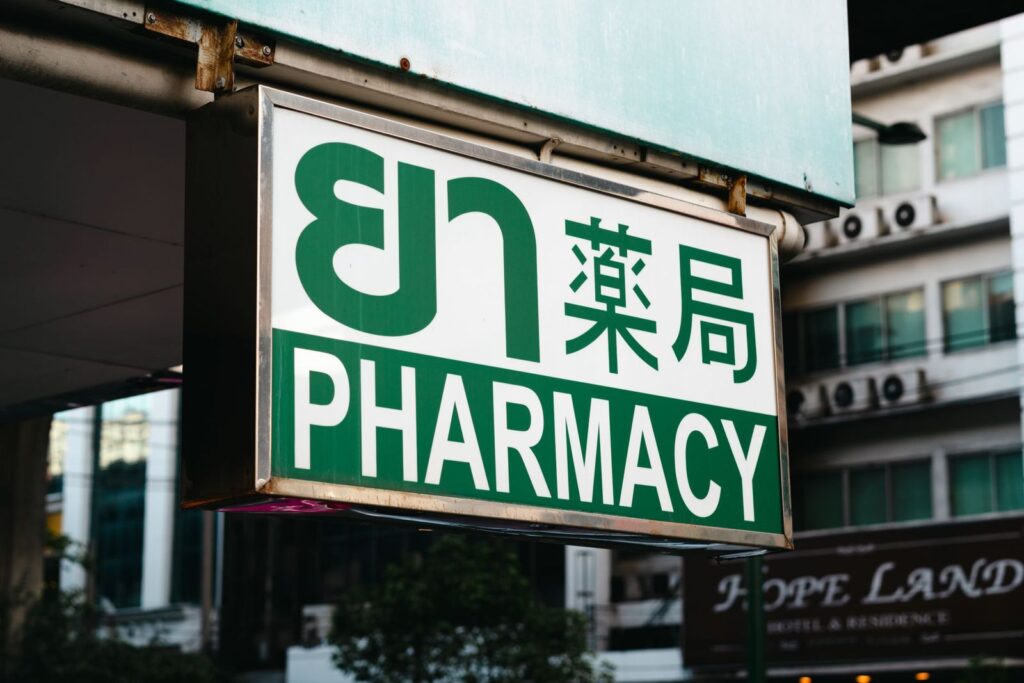
You’re never far from a 7-Eleven in Ao Nang, and there are pharmacies along the main beach road and in most resort areas. Here’s what’s worth picking up:
- Oral rehydration salts (ORS): sachets of powder you mix with bottled water. In Thailand ask for “ORS” or kluea rae (เกลือแร่, “mineral salts”). Follow the packet’s mixing instructions exactly. Too strong or too weak makes them less effective.
- Bottled water: plenty of it, sealed.
- Plain foods for later: crackers, bread, bananas and cups of plain rice porridge.
- Paracetamol: for fever or aches, at the dose on the packet.
ORS is better than sports drinks or coconut water for replacing lost salts. The CDC calls ORS made from packaged salts the ideal choice when you’ve lost a lot of fluid, even if the taste isn’t great. Chilling it helps.
A pharmacist may suggest an anti-diarrhoea medicine for short-term use. Don’t take one if you have a fever or blood in your stool, and check with a doctor before using it for more than a day or two. Thai pharmacies can also sell antibiotics without a prescription. Please don’t self-treat with them: most food poisoning doesn’t need antibiotics, and the wrong one can do more harm than good. Let a doctor decide.
What to eat when you have food poisoning
Once the vomiting has stopped, start small and plain. The NHS advises eating when you feel able to, and avoiding fatty or spicy food at first.
Good first foods in Krabi:
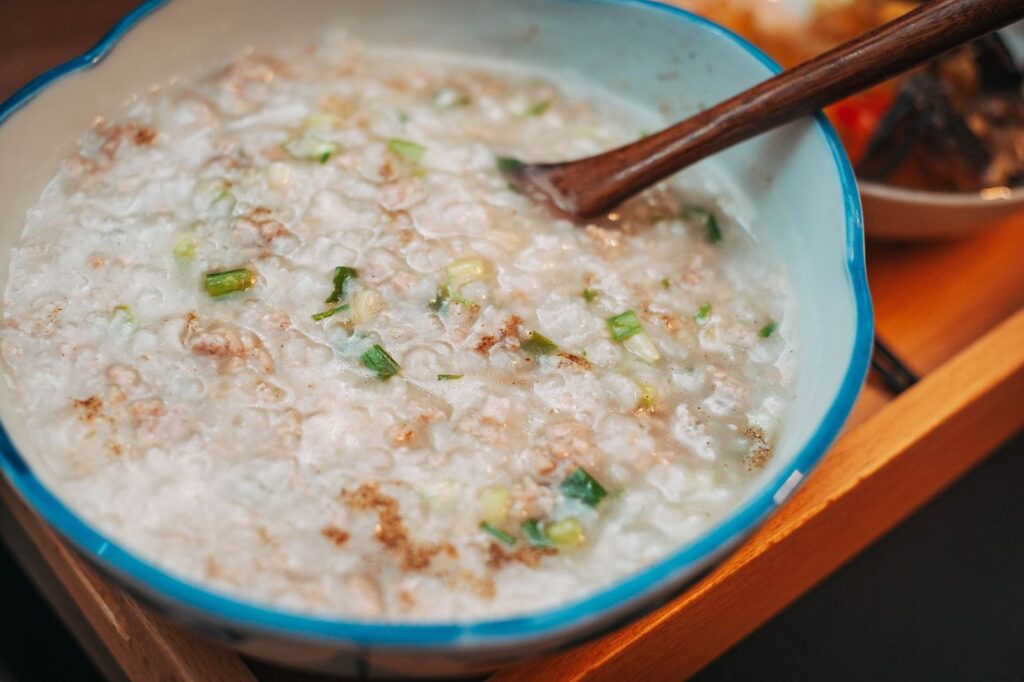
- Khao tom (rice soup) or jok (rice porridge): sold at many local restaurants and in cups at 7-Eleven. Ask for it plain, mai phet (not spicy).
- Plain steamed rice
- Bananas
- Toast, plain bread or crackers
- Clear broth or noodle soup without chilli
- Boiled eggs or plain grilled chicken, once you’re keeping things down
Avoid for a few days:
- Chilli, curries and som tam (papaya salad)
- Fried and greasy food
- Milk, ice cream and shakes
- Fruit juice and fizzy drinks, which can make diarrhoea worse
- Alcohol, including “just one” beer to settle your stomach
- Raw seafood, salads and ice from places you’re not sure of
Ease back into normal meals over a couple of days. Your appetite is a good guide.
Red flags: when to go to hospital instead
Most food poisoning is unpleasant but not dangerous. Some symptoms need a doctor, tests or medicine, and an IV drip at your hotel is not the right place to start. Go to hospital, or call 1669 for an ambulance, if you have:
- Blood in your stool, or black, tarry stools
- Vomiting blood, or vomit that is green or looks like coffee grounds
- Severe stomach pain, or pain that keeps getting worse
- A high fever, especially with a stiff neck, severe headache or rash
- You can’t keep any fluids down for 24 hours, or vomiting lasts more than two days
- Diarrhoea for more than seven days
- Signs of serious dehydration: very little or no urine, confusion, fainting, cold or blotchy skin, extreme drowsiness
- Difficulty breathing
Take extra care with young children, older people, pregnant women and anyone with diabetes, kidney disease or a weak immune system. They dehydrate faster and should see a doctor sooner.
Nearest hospitals:
- Wattanapat Hospital Ao Nang: private hospital, closest to Ao Nang beach
- Bangkok Hospital Krabi: private hospital near Krabi Town
- Krabi Hospital: the government hospital in Krabi Town
Bring your passport and travel insurance details.
When an IV drip helps after food poisoning
An IV drip after food poisoning doesn’t treat the infection. What it can do is replace fluid and salts when you can’t drink enough to keep up, for example when ORS keeps coming back up or the diarrhoea is outpacing you.
An IV drip for food poisoning in Thailand may help if:
- You’ve been vomiting or had diarrhoea and feel dizzy, weak or wiped out
- You can’t keep enough ORS down
- You’ve no red-flag symptoms from the list above
- You’d rather recover in your room than sit in a hospital waiting area
Our Island Hydration drip is designed for this: a litre of balanced fluid with electrolytes. A registered nurse screens you first, checking your symptoms, blood pressure and pulse. If anything suggests you need a doctor, the nurse will tell you, and won’t give a drip just because you asked for one.
We can come to you. Our hotel and villa IV drip visits cover Ao Nang, Nopparat Thara, Klong Muang, Tubkaek and Railay, so you don’t have to travel when you’re feeling rough. We’ll tell you the expected arrival time when you message us.
Claiming on your travel insurance
Keep every receipt, from pharmacy to hospital. Whether your policy pays for a drip depends on your insurer and the reason for treatment. Our guide on whether travel insurance covers IV drips explains what insurers usually ask for. We give an itemised receipt after every treatment.
Frequently asked questions
What is the best food poisoning treatment in Thailand?
For most people it’s rest and oral rehydration salts from a pharmacy or 7-Eleven, then plain food once vomiting stops. A doctor may prescribe medicine if you have a high fever, blood in your stool or symptoms that last. An IV drip can help with rehydration if you can’t keep fluids down.
How long does food poisoning last in Thailand?
Usually a few days. Vomiting tends to stop within 1–2 days and diarrhoea within 5–7 days. If you’re not improving after a week, or you have any red-flag symptoms, see a doctor.
Can I fly with food poisoning?
It’s best to wait until vomiting has stopped and you can drink normally. Long flights are dehydrating. If you have to fly, take ORS with you and speak to a doctor first if you’re very unwell.
Is it safe to get an IV drip for food poisoning at my hotel?
For mild to moderate dehydration without red-flag symptoms, a nurse-led drip at your hotel is a reasonable option. The nurse screens you first and will refer you to hospital if needed. Book a drip online or message us on WhatsApp.
How can I avoid food poisoning in Krabi?
Drink sealed bottled water, choose busy restaurants where food is cooked fresh and served hot, wash your hands before eating, and be careful with raw seafood and buffet food that has been sitting out in the heat.
Ready to feel better?
A registered nurse can come to your hotel or villa in Ao Nang and nearby beaches, or visit our clinic.
Photo: Vernon Raineil Cenzon on Unsplash