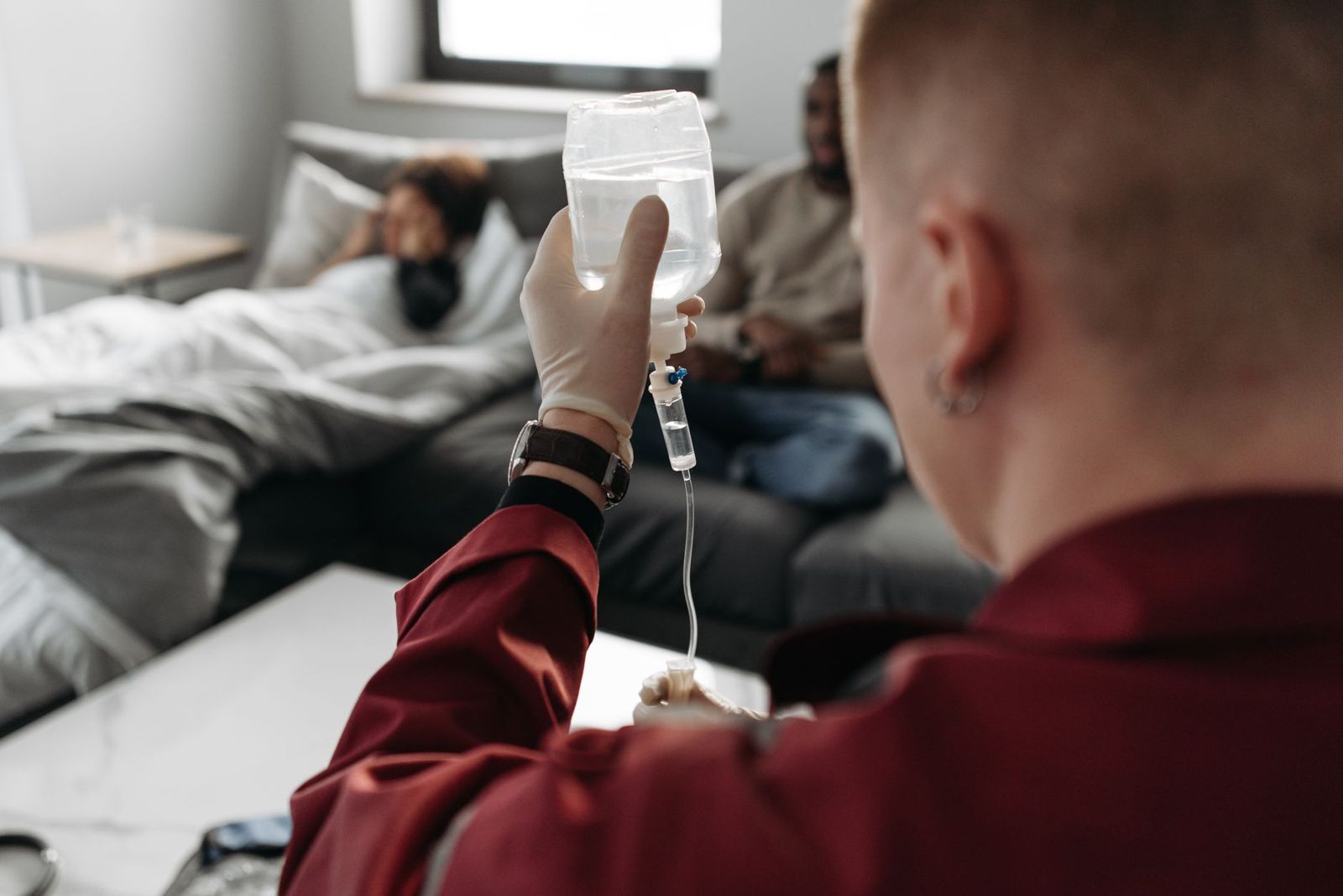
How long does an IV drip take? The drip itself usually runs for 30 to 45 minutes. Add a few minutes for the health screening before and a few minutes to remove the cannula afterwards, and most sessions are done in under an hour.
If you’ve never had a drip before, it’s natural to wonder what actually happens. This guide walks you through a typical session with us in Ao Nang, step by step: what you’ll feel, what’s normal afterwards, and how to fit a drip around boat trips and flights.
How long does an IV drip take, step by step
Here’s what a session looks like, whether you come to our clinic or the nurse comes to your room.
| Step | What happens | Roughly how long |
|---|---|---|
| 1. Health screening | Questions about your health, plus blood pressure and pulse | 5–10 minutes |
| 2. Cannula | A small, soft tube is placed in a vein in your hand or arm | A few minutes |
| 3. The drip | Fluids and vitamins run in while you rest | 30–45 minutes |
| 4. Removal | Cannula out, plaster on, quick check you feel well | A few minutes |
For a hotel visit, add the nurse’s travel time. We’ll tell you the expected arrival time when you message us, as it depends on where you’re staying and how busy the day is.
Step 1: health screening
Every drip starts with a short health screening by a registered nurse. They’ll ask about:
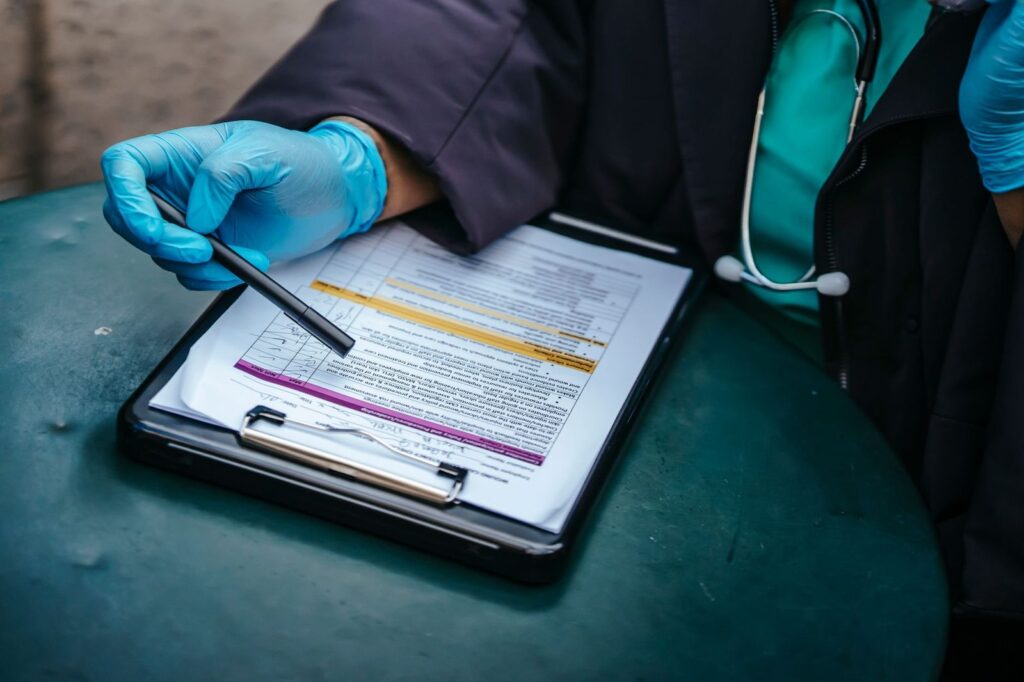
- How you’re feeling and why you’d like a drip
- Medical conditions, medicines and allergies
- Pregnancy or breastfeeding
- What you’ve eaten and drunk, including alcohol
They’ll also check your blood pressure and pulse. Based on your answers, the nurse may adjust the formula, suggest a different drip, or advise you to see a doctor instead. Answer honestly: it’s there to keep you safe. For more on what a safe drip looks like, read is an IV drip safe in Thailand.
Step 2: the cannula
The nurse cleans the skin, opens a sterile single-use kit in front of you, and places a cannula in a vein, usually on the back of your hand or the inside of your elbow. You’ll feel a quick sharp scratch, similar to a blood test. The needle comes straight out, leaving only a soft plastic tube, and the discomfort normally fades within seconds.
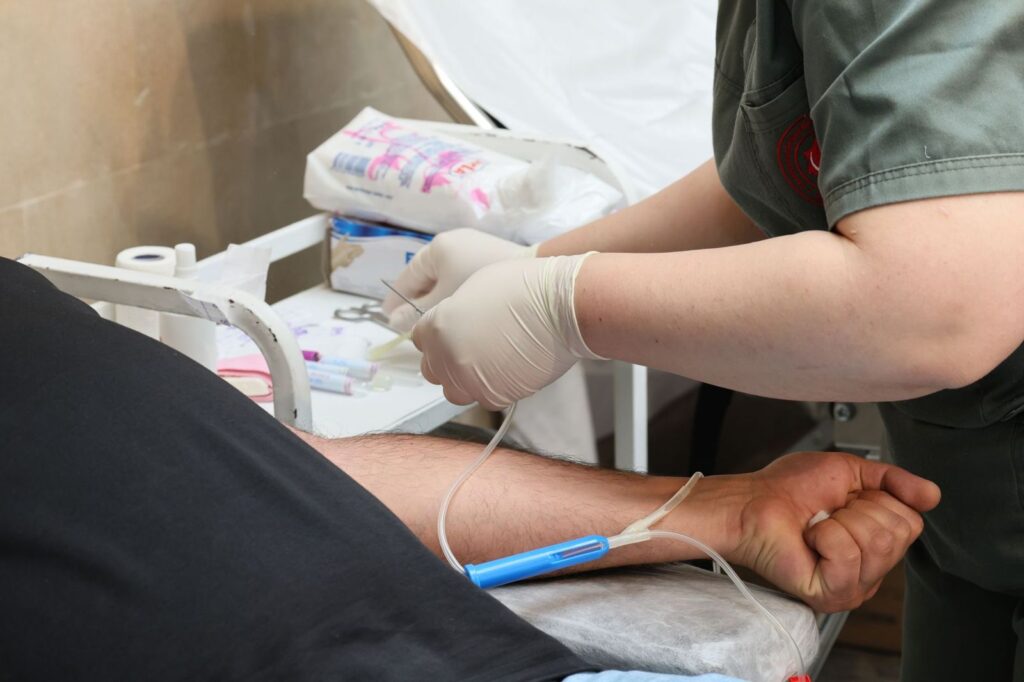
Nervous about needles? Tell the nurse. You can lie down, look away and take your time.
Step 3: the drip itself
Once the drip is running, you just relax. Most people scroll their phone, chat, read or doze off. The nurse stays with you for the whole drip and checks on you regularly.

How long does a hangover IV take? Our Hangover Rescue drip takes about 45 minutes. Many people notice nausea and headache easing during the drip or soon after, though some feel better more gradually over the next few hours.
How long does an IV drip take for dehydration? A hydration drip, such as Island Hydration, usually runs for 30 to 45 minutes. The nurse may run it a little slower if you feel cold or uncomfortable.
What you might notice during the drip:
- A cool feeling running up your arm as the fluid goes in
- A brief warm or flushed feeling, or a metallic taste, from some vitamins
- Needing the toilet, which is normal with a bag of fluid (the nurse can pause the drip)
If the cannula site stings, swells or feels unusually cold, tell the nurse straight away so they can check it.
Step 4: removal
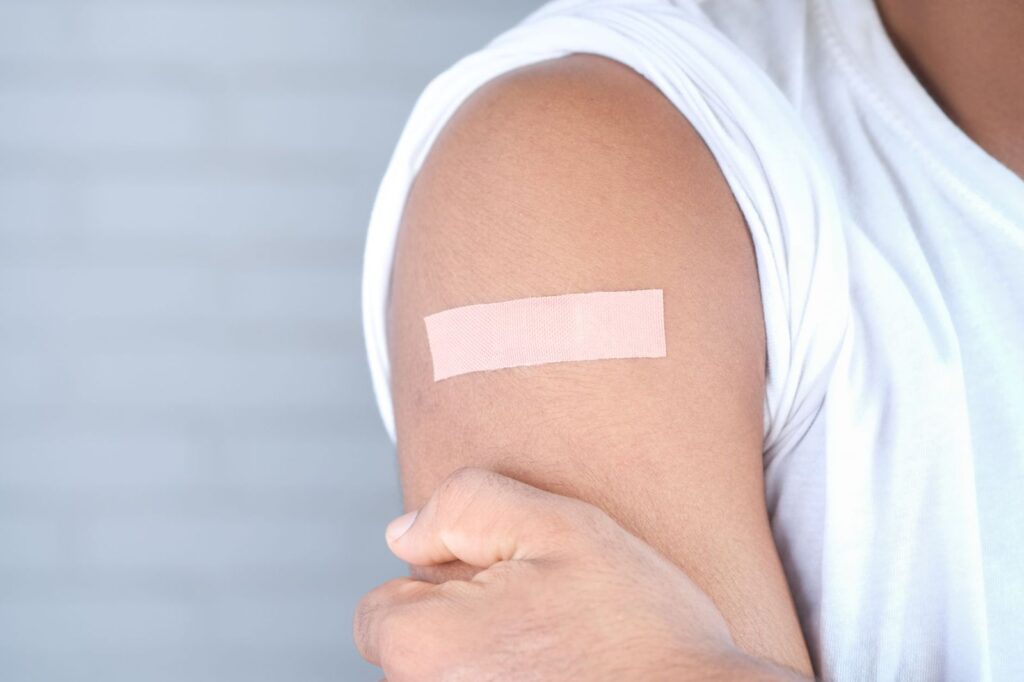
When the bag is empty, the nurse removes the cannula, presses on the spot for a minute and puts on a small plaster. They’ll check you feel well before they leave or before you head off. Payment is after treatment, by cash, Thai QR or card, and we give you an itemised receipt.
How do you feel after an IV drip?
It varies. If you were dehydrated, hungover or recovering from a stomach bug, you may feel noticeably better within an hour or so: less dizzy, less headachy, more like yourself. If you were only a little tired, the change may be subtle.
A drip helps your body rehydrate, but it isn’t a cure. Recovery from a stomach bug or a heavy night still takes rest, food and time. Some people feel sleepy afterwards, which is fine: a nap is a good idea.
Bruising and the cannula site
A small bruise where the cannula went in is common and usually fades over a few days. To reduce it:
- Keep the plaster on and press gently for a minute after removal
- Avoid heavy lifting with that arm for a few hours
- Keep the spot clean and dry for the rest of the day
Message us, or see a doctor, if the site becomes red, hot, swollen or increasingly painful, if you see a red line running up your arm, or if you develop a fever.
Timing your drip around boat trips and flights
A bit of planning makes the most of your holiday.
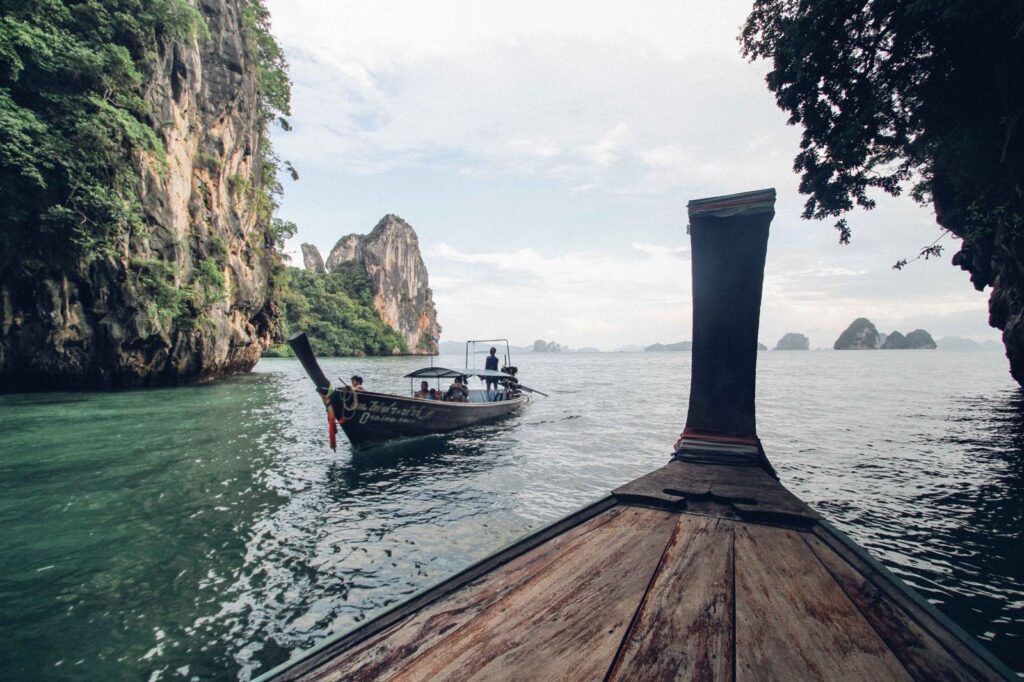
- Boat trips and island-hopping: most people are fine to head out once they feel steady. If you’ve got an early pick-up, book a drip the afternoon or evening before, or plan for when you get back. Drink plenty of water on the boat.
- Diving: tell the nurse if you’re diving the same day. Follow your dive centre’s rules on fitness to dive.
- Flights: long flights are dehydrating, so some guests book a drip on the day they arrive or before they leave. Leave enough time for the session and travel to the airport, and don’t book one so late that you feel rushed.
- Weddings and events: book earlier in the day, so you can relax afterwards.
How long the whole procedure takes in Thailand, including travel, depends on where you are. Our hotel and villa IV drip visits cover Ao Nang, Nopparat Thara, Klong Muang, Tubkaek and Railay. Tell us your plans when you book and we’ll suggest a sensible time.
When to go to hospital instead
An IV drip is for mild dehydration, hangovers and feeling run down. It’s not emergency care. Go to hospital, or call 1669 for an ambulance, if you have:
- Chest pain or difficulty breathing
- Swelling of the face, lips or tongue, or a widespread rash
- Fainting, confusion or a seizure
- A high fever, severe headache or stiff neck
- Blood in your vomit or stool, or severe stomach pain
The nearest hospitals are Wattanapat Hospital Ao Nang, Bangkok Hospital Krabi and Krabi Hospital.
Frequently asked questions
How long does an IV drip take in total?
Most sessions take under an hour: a few minutes of screening, 30 to 45 minutes for the drip, and a few minutes to remove the cannula. For a hotel visit, add the nurse’s travel time.
Can I eat before an IV drip?
Yes, and a light meal or snack beforehand can help you avoid feeling lightheaded. If you’re too nauseous to eat, that’s fine too. Tell the nurse.
Can I shower or swim after a drip?
A quick shower later in the day is fine; just keep the plaster dry if you can. Keep the cannula site clean and dry for the rest of the day, and ask the nurse before swimming in the sea or a pool on the same day.
Will I need to pee a lot?
Probably, especially after a hydration drip. That’s normal and a sign your body is processing the fluid.
How do I book?
Book a drip online or message us on WhatsApp. Tell us where you’re staying and any plans for the day, and we’ll find a time that works.
Ready to feel better?
A registered nurse can come to your hotel or villa in Ao Nang and nearby beaches, or visit our clinic.
Photo: Pavel Danilyuk on Pexels