Is an IV drip safe in Thailand? For most healthy adults, yes, when it’s given by licensed medical staff, after a proper health screening, using sterile single-use equipment. Those three things matter far more than the name on the menu or the price.
IV drips are now offered everywhere in Thailand’s tourist areas, from clinics to spas to hotel pop-ups. Most are run carefully. Some aren’t. This guide explains what a safe drip looks like, which side effects are normal, which signs aren’t, and the questions to ask any provider before you roll up your sleeve, including us.
Is an IV drip safe in Thailand? Start with who gives it
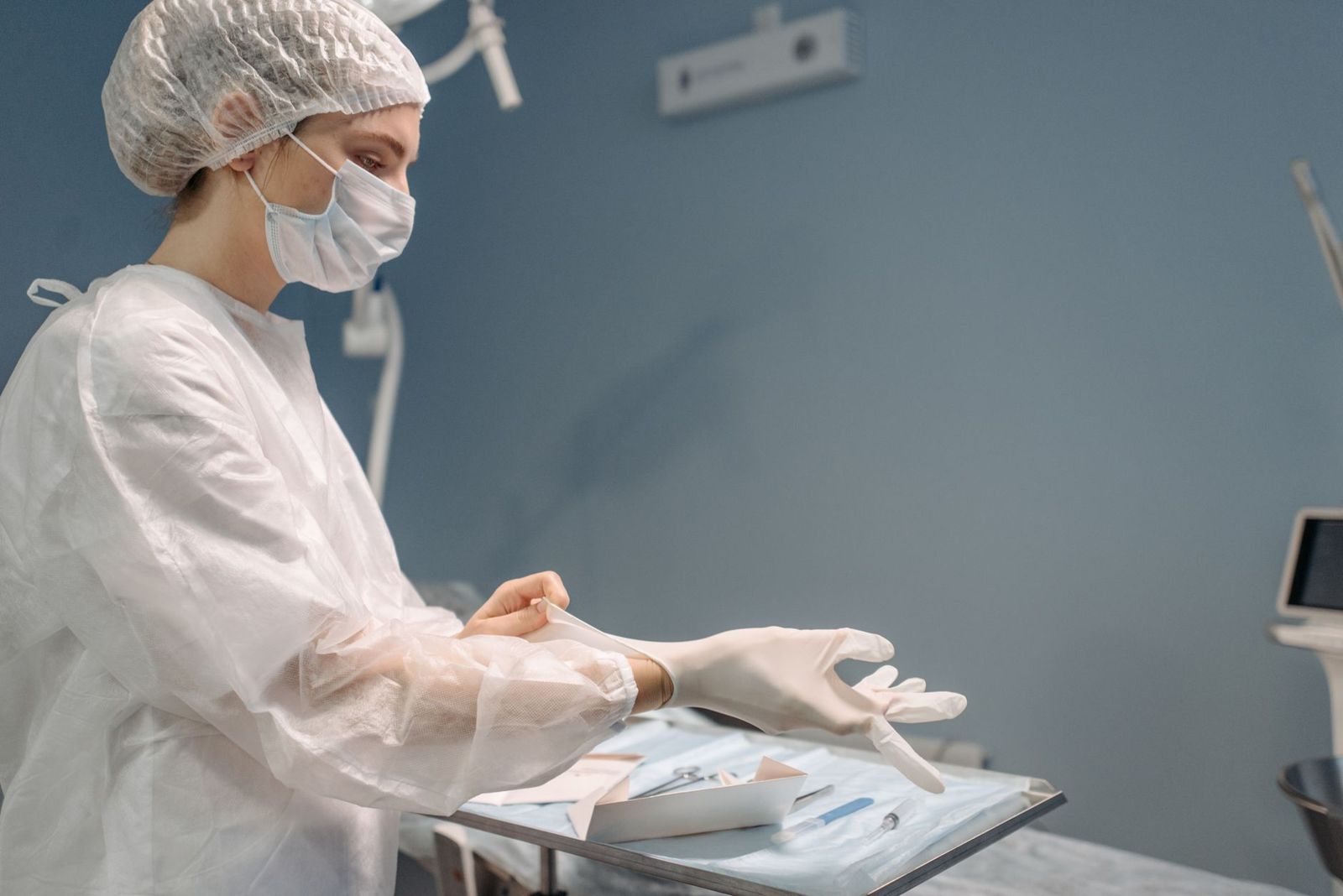
Putting a cannula (a small, soft plastic tube) into a vein is a medical procedure. It should only be done by licensed medical staff: a doctor, or a registered nurse working under proper clinical protocols. In Thailand, as at home, healthcare professionals are licensed by their professional councils, and clinics need a licence to operate.

What that means for you:
- Ask who will give the drip and what their qualification is. A good provider will answer without hesitation.
- Be wary of “therapists” or beauty staff placing cannulas. That’s a red flag, wherever you are.
- Ask what happens if something goes wrong. A safe provider has a plan for reactions and knows the route to the nearest hospital.
At IV Drip Ao Nang, every drip is given by a registered nurse. If you’d like to see their credentials, just ask when you book or when the nurse arrives.
Health screening: the most important five minutes
A safe drip starts with questions, not a needle. Before any drip, a nurse should ask about:
- Your current symptoms and how long you’ve had them
- Medical conditions, especially heart, kidney or liver disease, high blood pressure, diabetes or asthma
- Pregnancy or breastfeeding
- Medicines and supplements you take
- Allergies, including to any vitamins or previous IV treatments
- How much you’ve had to eat, drink and (honestly) how much alcohol
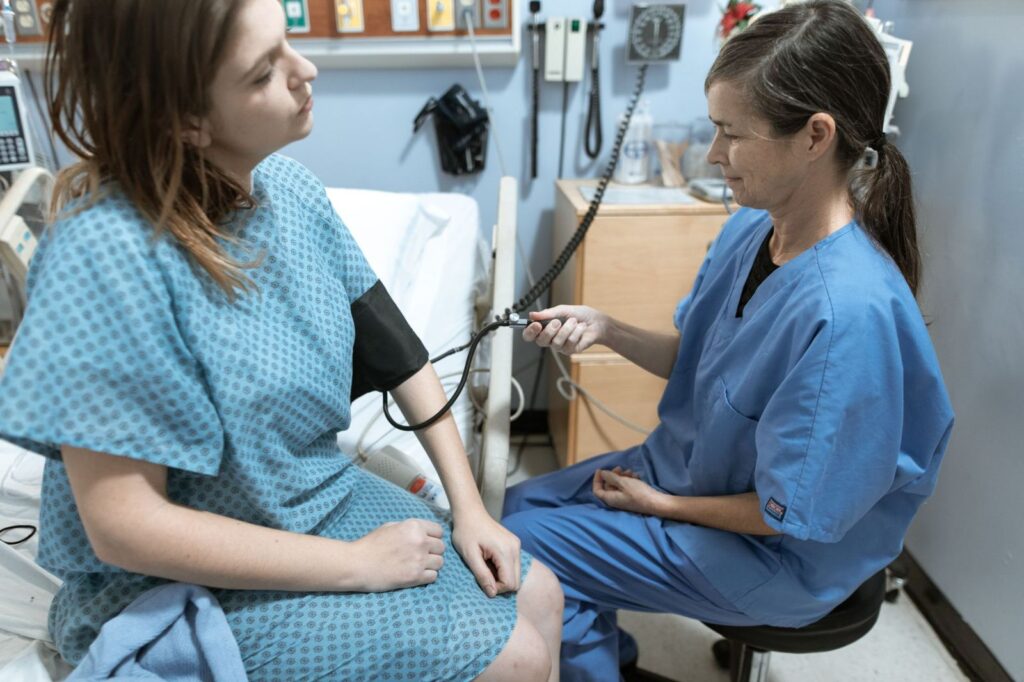
They should also check your blood pressure and pulse. Our nurses do all of this, and they may adjust the formula, suggest a different drip, or say no. Being turned away isn’t bad service. It’s what screening is for.
The Cleveland Clinic advises people with heart disease, high blood pressure, kidney disease or pregnancy to check with their doctor before IV vitamin therapy, and notes that IV vitamins can interact with some medicines. If a provider doesn’t ask you about any of this, walk away.
Sterile, single-use kits
Infection is one of the main risks of any IV, and it’s almost entirely preventable. The Merck Manual lists infection from poorly sterilised equipment among the more serious risks of IV vitamin therapy.
Here’s what you should see:
- The nurse cleans their hands and wears gloves
- Your skin is cleaned with antiseptic before the cannula goes in
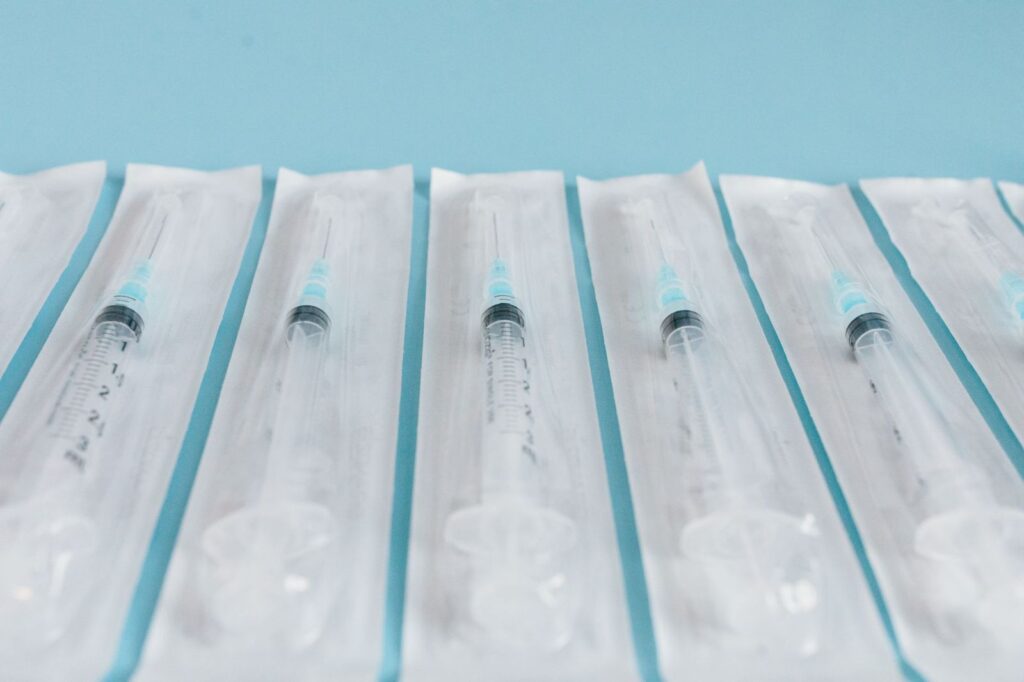
- The cannula, tubing and syringes come out of sealed packets opened in front of you
- Fluid bags and vials are sealed, labelled and in date
- Used needles go straight into a sharps container, and nothing is reused
We use sterile single-use kits for every drip, at the clinic and on hotel visits. You’re welcome to watch every step.
Is an IV drip painful?
Most people say no, not really. You’ll feel a quick sharp scratch as the needle goes in, similar to a blood test. The needle is then removed, leaving only the soft plastic tube in your vein, and the discomfort usually passes straight away. An NHS hospital leaflet on cannulas describes it the same way: brief pain or discomfort during insertion that settles once the needle is out.

During the drip you might feel a cool sensation up your arm as the fluid goes in. Some vitamins can cause a brief warm feeling or a metallic taste. If anything stings or aches at the cannula site, tell the nurse: they can slow the drip or check the site.
If you’re nervous about needles, say so. The nurse can let you lie down, talk you through it, or use a vein that’s easier to reach.
IV drip side effects: normal vs warning signs
Most IV drip side effects are mild and short-lived.
| Usually normal | Tell the nurse straight away |
|---|---|
| A small bruise where the cannula went in | Pain, swelling or coldness spreading around the cannula |
| Cool feeling in your arm during the drip | Itching, hives or a rash |
| Brief warmth or a metallic taste | Swelling of the lips, face or tongue |
| Needing to pass urine afterwards | Wheezing, chest tightness or difficulty breathing |
| Feeling a little tired or relaxed | Dizziness, fainting or a racing heart |
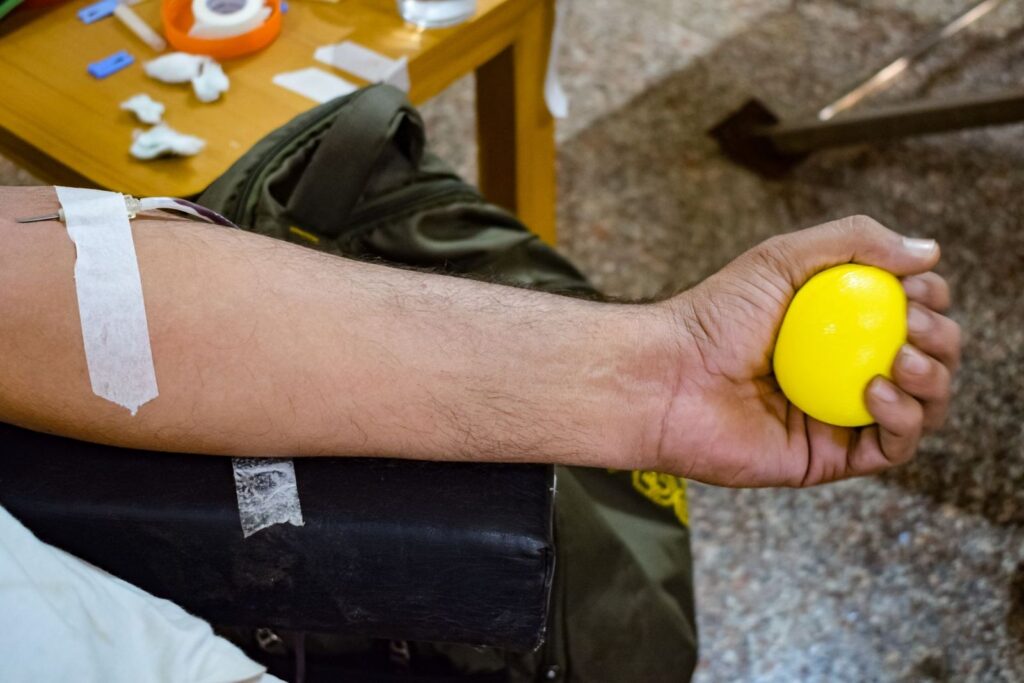
Bruising usually fades over a few days. After you get home, watch the cannula site for a day or two. Redness, warmth, swelling or a tender, hard line along the vein can be signs of inflammation (phlebitis) or infection, so message us or see a doctor if that happens, especially with a fever.
Serious reactions are rare, which is exactly why the nurse stays with you for the whole drip and watches for the early signs.
Is IV drip therapy safe for everyone?
No. Is IV drip therapy safe for a healthy 30-year-old who’s dehydrated after a big day in the sun? Generally, yes. For some people, extra fluid or high-dose vitamins carry more risk. Take extra care, and expect the nurse to be cautious, if you:
- Have heart failure, kidney disease or liver disease
- Have high blood pressure or a heart rhythm problem
- Are pregnant or breastfeeding
- Take blood thinners or several regular medicines
- Have had a reaction to an IV treatment before
It’s also worth being honest about what a drip can do. The Cleveland Clinic notes there’s limited evidence for general wellness benefits from IV vitamins. Drips can help with dehydration, and some people feel better quickly, but they don’t cure illness. Be cautious of anyone who promises otherwise.
Questions to ask any provider
Whether you book with us or someone else, these questions will tell you a lot:
- Who will give the drip, and what is their medical qualification?
- Will I have a health screening first, including blood pressure and pulse?
- Are the cannula and tubing sterile and single-use, opened in front of me?
- Exactly what’s in the drip, and in what doses?
- Will the nurse stay with me for the whole drip?
- What happens if I have a reaction, and which hospital would you use?
- Will I get an itemised receipt? (Useful for travel insurance claims.)
If the answers are vague, or the price looks too good to be true, think twice.
How we keep drips safe at IV Drip Ao Nang
We keep things simple: registered nurses, screening before every drip, sterile single-use kits, and a nurse with you from start to finish. You can see exactly what’s in each bag on our drip menu and prices, and we’re happy to answer questions before you book.
Our drips include Hangover Rescue, Island Hydration for dehydration, the Myers’ Cocktail IV, the Immune Shield vitamin C drip, Jet Lag Reset and Glow & Glutathione. The same standards apply whether you come to our IV drip clinic in Ao Nang or book one of our hotel and villa IV drip visits.
When to go to hospital instead
An IV drip is not emergency care. Call 1669 for an ambulance, or go straight to hospital, if you or someone you’re with has:
- Chest pain, difficulty breathing or swelling of the face or throat
- Confusion, fainting or a seizure
- A high fever with a stiff neck, rash or severe headache
- Blood in vomit or stool, or severe stomach pain
- Signs of severe dehydration: no urine for many hours, cold or blotchy skin, extreme drowsiness
The nearest hospitals are Wattanapat Hospital Ao Nang, Bangkok Hospital Krabi and Krabi Hospital, the government hospital in Krabi Town.
Frequently asked questions
Is an IV drip safe?
For most healthy adults, an IV drip is low risk when it’s given by licensed medical staff after a health screening, using sterile single-use equipment. The main risks are bruising, irritation of the vein, infection and, rarely, allergic reactions.
Is IV drip therapy safe if I’ve been drinking?
Often, yes, which is why hangover drips exist. Tell the nurse honestly how much you drank and when. If you’re still very drunk, confused or vomiting heavily, they may say a drip isn’t safe and that you need a doctor.
Can I check a nurse’s qualifications?
Yes. Any legitimate provider should be happy to tell you who’s treating you and what their qualification is. Ask when you book or when the nurse arrives.
What if I feel unwell after the drip?
Contact the provider straight away. For mild bruising or tenderness, a cool compress helps. For any of the warning signs above, or if you feel very unwell, go to hospital or call 1669.
How do I book a drip with you?
Book a drip online or message us on WhatsApp. The nurse will run through the screening before your drip starts.
Ready to feel better?
A registered nurse can come to your hotel or villa in Ao Nang and nearby beaches, or visit our clinic.
Photo: Pavel Danilyuk on Pexels