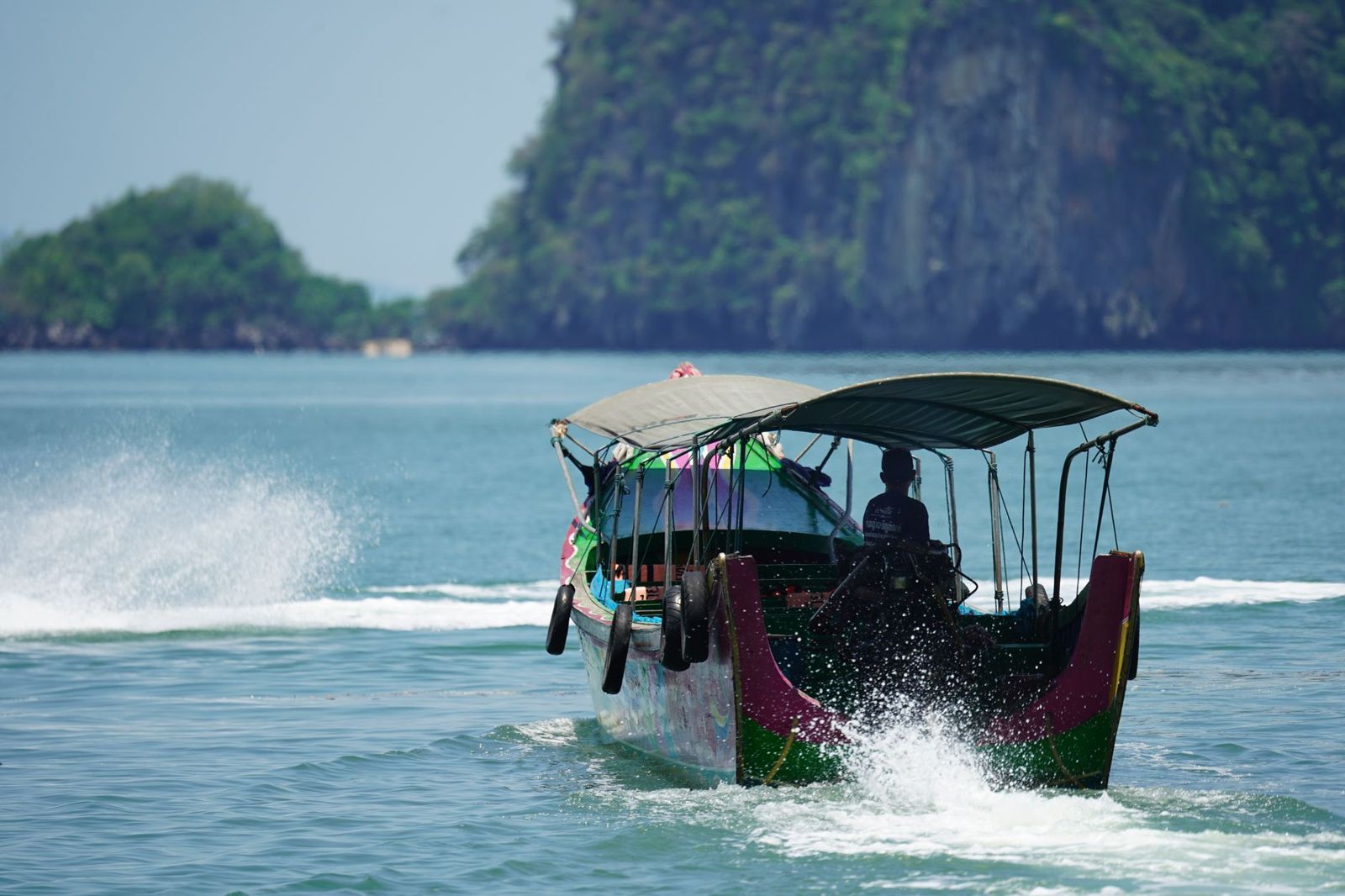
Island-hopping is the highlight of most Krabi holidays, and an early pick-up after a late night is a classic recipe for a rough day. So is an IV drip before a boat trip worth it, or is it better afterwards?
The honest answer: a drip can help you start the day hydrated, or recover from a long day of sun and sea. It does not prevent seasickness. Good timing, a decent night’s sleep and a few simple habits on board matter just as much.
Krabi island-hopping in a nutshell
The most popular day trips from Ao Nang are the 4 Islands tour, Hong Island, and longer boat trips out to Phi Phi. Most leave in the morning and return in the afternoon, with several hours on open water, in strong sun and with only a little shade.
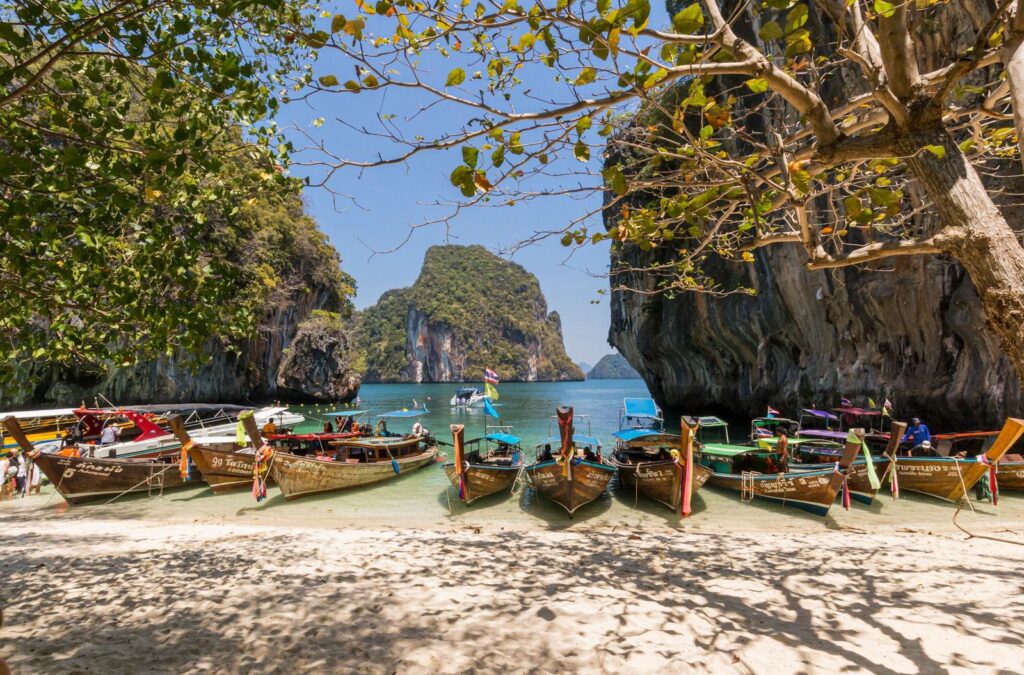
Speedboats are fast but bumpy; longtails are slower and more exposed. Either way, hydration and sun protection run through all these island hopping Krabi tips.
Seasickness in Krabi: the basics
Seasickness is a type of motion sickness. The NHS motion sickness page lists dizziness, nausea, vomiting, headache, sweating, going pale and feeling cold as the common symptoms.
What helps, according to the NHS and the CDC’s travel advice on motion sickness:
- Sit in the middle of the boat, where there’s least movement.
- Look at the horizon rather than your phone or a book.
- Get fresh air and breathe slowly.
- Skip alcohol and heavy, spicy meals before you travel.
- Get enough sleep the night before.
If you know you get seasick, ask a pharmacist about tablets. The CDC notes they work best taken before you set off, since they’re poorly absorbed once you already feel sick, and that drowsiness is a common side effect.
Hangover before a boat trip: why it hits harder
A hangover before a boat trip combines dehydration, a headache, an unsettled stomach and too little sleep, then adds motion and heat. Alcohol is one of the things the NHS suggests avoiding before travel if you’re prone to motion sickness.
If you’ve had a big night and a trip booked for the morning, drink water and an oral rehydration sachet before bed, eat something plain at breakfast, and be honest with yourself. Sometimes moving the trip a day is the better call.
When to book a drip: the evening before or after
The evening before suits most people. Boats tend to leave early, so a drip the night before means you go to bed well hydrated and don’t have to fit anything in before pick-up. Island Hydration is a simple choice: balanced saline with electrolytes and B-complex over 30–45 minutes.
After a night out, Hangover Rescue adds vitamin C and, if the nurse thinks it’s suitable, anti-nausea and pain relief. It helps with dehydration, nausea and headache. Tell the nurse if you’ve taken, or plan to take, seasickness tablets, because some anti-nausea medicines can make you drowsy too.
After the trip is the other good time. If you come back sunburnt, tired and with a headache from a day on the water, a drip at your hotel can help with the dehydration. It won’t treat the burn; our sunburn guide covers what does.
We come to your room through our hotel and villa visits in Ao Nang, Nopparat Thara, Klong Muang, Tubkaek and Railay. Staying on the peninsula? See IV drips in Railay. Every drip starts with a short health screening by a registered nurse.
For swimming and activity after a drip, see our IV drip aftercare guide.
Hydration on a boat trip
Hydration on a boat trip is easy to get wrong because the breeze hides how much you’re sweating. A few habits help:
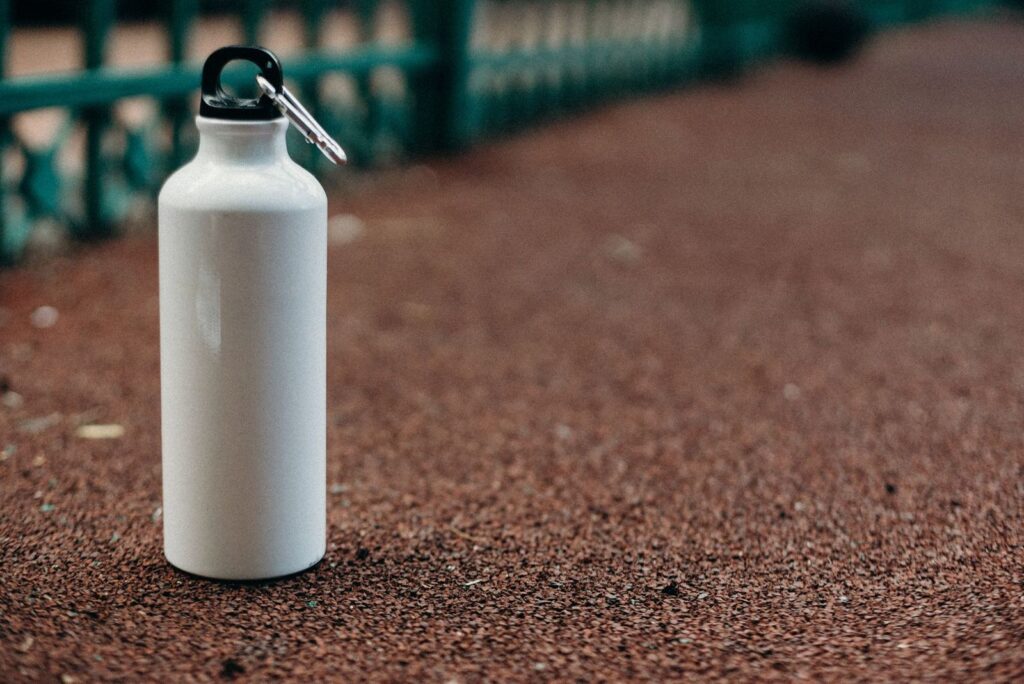
- Drink small amounts often, before you feel thirsty.
- Add an electrolyte or oral rehydration sachet to one bottle.
- Keep alcohol on the boat to a minimum, especially if you plan to snorkel or swim.
- Sit under the canopy between stops, particularly around midday.
What to pack for island-hopping
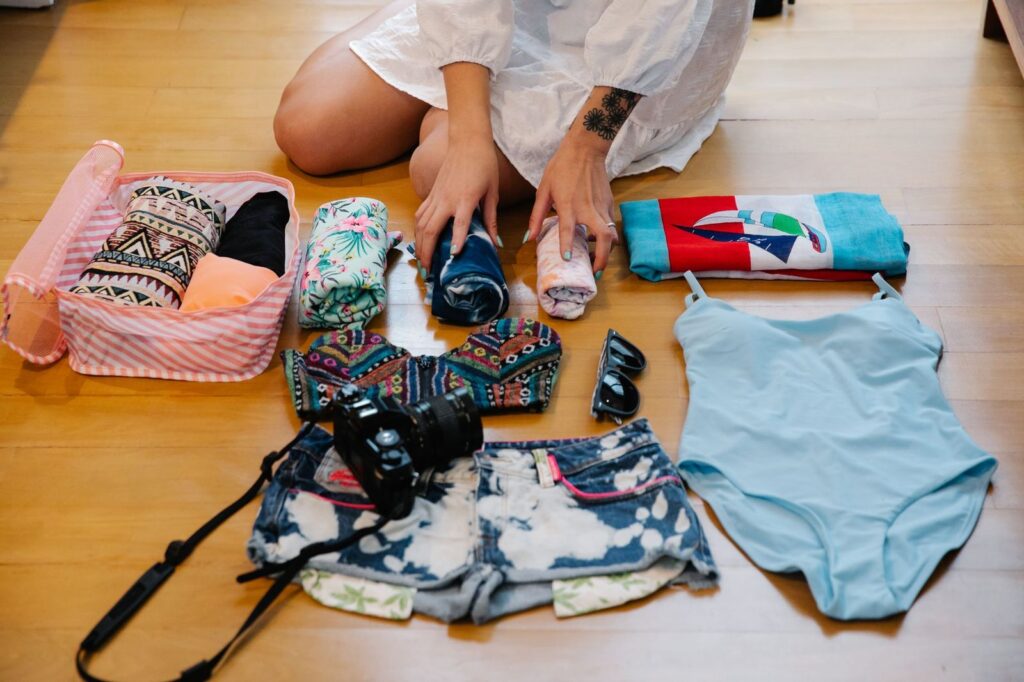
- At least 1.5 litres of water per person, even if some is provided
- Oral rehydration sachets
- SPF 30+ sunscreen and a long-sleeved rash vest
- Hat and sunglasses with a strap
- Seasickness tablets, if you use them
- A dry bag for your phone, cash and medicines
- A light snack, such as crackers or fruit
When to go to hospital instead
A drip isn’t the answer if someone on your trip has:
- vomiting that won’t stop, or can’t keep any fluids down for many hours
- confusion, fainting or a fit
- hot skin that has stopped sweating, with a fast heartbeat (possible heatstroke)
- chest pain or difficulty breathing
- a head injury, a near-drowning, or any problem after diving
Call 1669 for an ambulance in an emergency. The nearest hospitals are Wattanapat Hospital Ao Nang, Bangkok Hospital Krabi and Krabi Hospital.
Frequently asked questions
Will an IV drip stop me getting seasick?
No. Seasickness comes from the motion of the boat confusing your balance system, and no drip prevents it. Being well hydrated and rested may help you feel better overall, and a pharmacist can advise on seasickness tablets.
Can I have a drip on the morning of the trip?
It’s possible if timings work, but early pick-ups can make it rushed. The evening before is usually more relaxed. Tell us your pick-up time when you book and we’ll work out what’s realistic.
Can I swim after an IV drip?
Keep the cannula site clean and dry for the rest of the day, and ask the nurse before swimming on the same day. That’s one more reason a drip the evening before a boat trip works well: by morning the site has had a night to settle.
Which drip is best after a day on the boat?
For tiredness, thirst and a mild headache, Island Hydration is the usual choice. If you’ve also been drinking, Hangover Rescue may suit you better. The nurse will help you choose after your screening, and you can book a drip here.
Ready to feel better?
A registered nurse can come to your hotel or villa in Ao Nang and nearby beaches, or visit our clinic.
Photo: Жанна Алимкулова on Pexels